The United States is home to some of the world’s most iconic rivers, many of which span thousands of miles and cross multiple states. These rivers have shaped the nation’s geography, supported ecosystems, enabled transportation, and influenced cultural and economic development. The Missouri River tops the list, followed closely by the mighty Mississippi. Western rivers like the Colorado and Columbia are vital for water supply and hydroelectric power, while southern rivers like the Rio Grande and Red River define borders and support agriculture.
Here are the longest rivers in the United States, ranked by their main-stem length:
| Rank | River Name | Length (miles) | States Traversed |
|---|---|---|---|
| 1 | Missouri River | 2,540 | MT, ND, SD, NE, IA, KS, MO |
| 2 | Mississippi River | 2,340 | MN, WI, IA, IL, MO, KY, TN, AR, MS, LA |
| 3 | Yukon River | 1,979 | AK (also flows through Canada) |
| 4 | Rio Grande | 1,896 | CO, NM, TX (forms border with Mexico) |
| 5 | Arkansas River | 1,460 | CO, KS, OK, AR |
| 6 | Colorado River | 1,450 | CO, UT, AZ, NV, CA |
| 7 | Columbia River | 1,243 | WA, OR (originates in Canada) |
| 8 | Red River | 1,125 | TX, OK, AR, LA |
| 9 | Snake River | 1,040 | WY, ID, OR, WA |
| 10 | Ohio River | 981 | PA, OH, WV, KY, IN, IL |
1. Missouri River
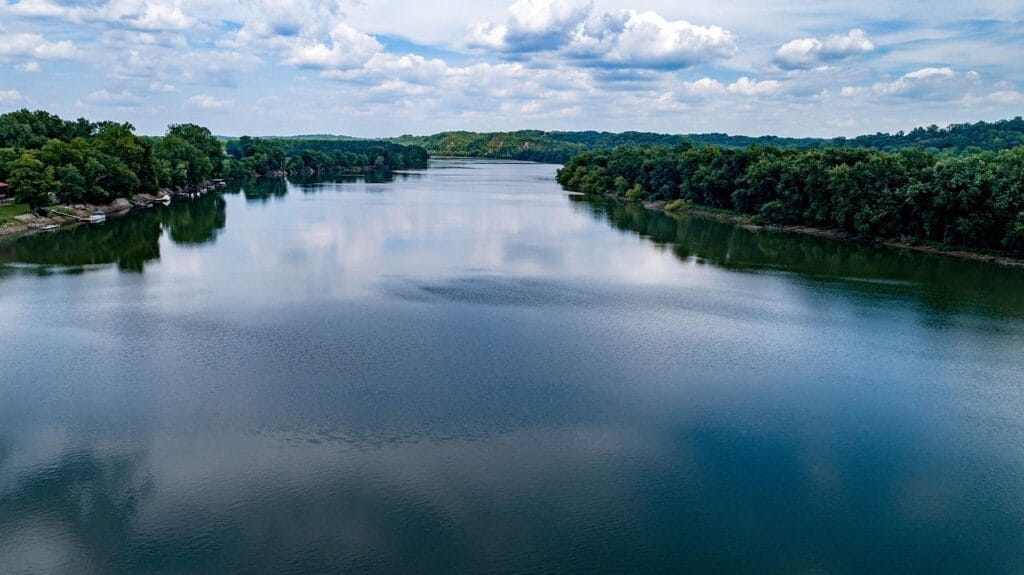
The Missouri River is the longest river in the United States, stretching 2,540 miles. It begins in the Rocky Mountains of western Montana and flows east and south before joining the Mississippi River. Historically vital for exploration and trade, it remains a key waterway for agriculture and transportation.
Missouri River Facts
| Attribute | Details |
|---|---|
| Length | 2,540 miles |
| Origin | Rocky Mountains, Montana |
| Mouth | Confluence with Mississippi River near St. Louis, Missouri |
| States Traversed | MT, ND, SD, NE, IA, KS, MO |
| Key Uses | Navigation, irrigation, hydroelectric power |
| Notable Feature | Longest river in North America |
2. Mississippi River
The Mississippi River is the second-longest river in the U.S. but arguably the most iconic. Flowing 2,340 miles from Minnesota to the Gulf of Mexico, it has shaped American history, commerce, and culture. It serves as a major transportation route and supports diverse ecosystems.
Mississippi River Facts
| Attribute | Details |
|---|---|
| Length | 2,340 miles |
| Origin | Lake Itasca, Minnesota |
| Mouth | Gulf of Mexico, Louisiana |
| States Traversed | MN, WI, IA, IL, MO, KY, TN, AR, MS, LA |
| Key Uses | Shipping, flood control, agriculture |
| Notable Feature | Widest river in the U.S. in some sections |
3. Yukon River
The Yukon River flows through Alaska and Canada, spanning 1,979 miles. It is the longest river in Alaska and plays a crucial role in supporting salmon populations and indigenous communities. Historically, it was a lifeline during the Klondike Gold Rush.
Yukon River Facts
| Attribute | Details |
|---|---|
| Length | 1,979 miles |
| Origin | British Columbia, Canada |
| Mouth | Bering Sea, Alaska |
| States Traversed | Alaska (also Canada) |
| Key Uses | Fishing, subsistence, cultural heritage |
| Notable Feature | Longest river in Alaska |
4. Rio Grande
The Rio Grande stretches 1,896 miles and forms a significant portion of the U.S.–Mexico border. Originating in Colorado, it flows through New Mexico and Texas. It’s vital for irrigation and water supply in arid regions.
Rio Grande Facts
| Attribute | Details |
|---|---|
| Length | 1,896 miles |
| Origin | San Juan Mountains, Colorado |
| Mouth | Gulf of Mexico |
| States Traversed | CO, NM, TX |
| Key Uses | Border demarcation, irrigation, water supply |
| Notable Feature | Forms much of the U.S.–Mexico border |
5. Arkansas River
The Arkansas River is a major tributary of the Mississippi River, flowing 1,460 miles through central states. It supports agriculture and is prone to seasonal flooding. Historically, it was a key route for westward expansion.
Arkansas River Facts
| Attribute | Details |
|---|---|
| Length | 1,460 miles |
| Origin | Rocky Mountains, Colorado |
| Mouth | Mississippi River, Arkansas |
| States Traversed | CO, KS, OK, AR |
| Key Uses | Agriculture, flood control, recreation |
| Notable Feature | Major tributary of the Mississippi River |
6. Colorado River
The Colorado River is famous for carving the Grand Canyon. It flows 1,450 miles through the arid Southwest and is a lifeline for water supply and hydroelectric power. It’s heavily managed through dams and reservoirs.
Colorado River Facts
| Attribute | Details |
|---|---|
| Length | 1,450 miles |
| Origin | Rocky Mountains, Colorado |
| Mouth | Gulf of California, Mexico |
| States Traversed | CO, UT, AZ, NV, CA |
| Key Uses | Water supply, hydroelectric power, recreation |
| Notable Feature | Carved the Grand Canyon |
7. Columbia River
The Columbia River is the largest river in the Pacific Northwest, flowing 1,243 miles. It originates in Canada and is a major source of hydroelectric power. The river supports salmon runs and is vital for regional ecosystems.
Columbia River Facts
| Attribute | Details |
|---|---|
| Length | 1,243 miles |
| Origin | British Columbia, Canada |
| Mouth | Pacific Ocean, Oregon |
| States Traversed | WA, OR |
| Key Uses | Hydroelectric power, fisheries, navigation |
| Notable Feature | Largest river in the Pacific Northwest |
8. Red River
The Red River flows 1,125 miles and forms part of the Texas–Oklahoma border. It’s historically significant and supports agriculture in the southern plains. Its reddish hue comes from sediment-rich waters.
Red River Facts
| Attribute | Details |
|---|---|
| Length | 1,125 miles |
| Origin | Texas Panhandle |
| Mouth | Mississippi River, Louisiana |
| States Traversed | TX, OK, AR, LA |
| Key Uses | Agriculture, boundary demarcation |
| Notable Feature | Forms part of the Texas–Oklahoma border |
9. Snake River
The Snake River flows 1,040 miles through the Pacific Northwest. It’s a major tributary of the Columbia River and is known for Hells Canyon, the deepest river gorge in North America.
Snake River Facts
| Attribute | Details |
|---|---|
| Length | 1,040 miles |
| Origin | Yellowstone National Park, Wyoming |
| Mouth | Columbia River, Washington |
| States Traversed | WY, ID, OR, WA |
| Key Uses | Recreation, irrigation, hydroelectric power |
| Notable Feature | Home to Hells Canyon |
10. Ohio River
The Ohio River spans 981 miles and is a major tributary of the Mississippi. It played a crucial role in early American expansion and industrial development. It flows through several populous states in the Midwest.
Ohio River Facts
| Attribute | Details |
|---|---|
| Length | 981 miles |
| Origin | Confluence of Allegheny and Monongahela Rivers, Pittsburgh |
| Mouth | Mississippi River, Illinois |
| States Traversed | PA, OH, WV, KY, IN, IL |
| Key Uses | Transportation, industry, recreation |
| Notable Feature | Historically vital for westward expansion |
FAQs
Missouri River, It stretches 2,540 miles and is a major tributary of the Mississippi.
Colorado River, It carved the Grand Canyon and is vital for water and power in the Southwest.
Rio Grande. It flows 1,896 miles and is crucial for irrigation in arid regions.
Yukon River, It supports salmon migration and indigenous communities.
Snake River, It flows through the Pacific Northwest and joins the Columbia River.