Rivers such as the Amazon, the Ganges, and the Congo are among the world’s largest, characterized by their enormous volumes of water. Along with shaping the landscapes through which they flow, they provide important resources, including drinking water and transportation, and support a wide variety of ecosystems vital to global biodiversity.
The area a river drains depends on the landscape; on flat terrain, the river spreads over a greater area. The Amazon is the world’s largest river and has an average discharge of about 209,000 cubic meters per second. It is not the second-largest river. Major rivers around the world, such as the Amazon, the Ganges, and others, can be seen from space. The world’s largest rivers are judged by their average discharge in cubic meters per second.
1. Amazon River
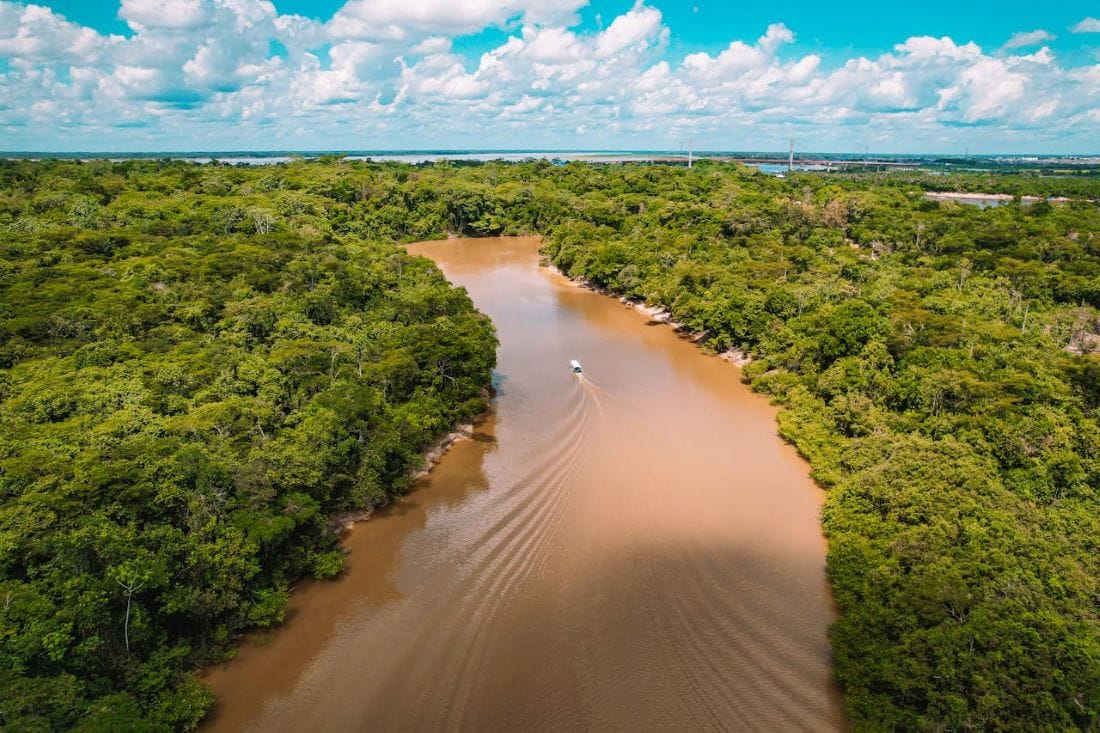
The Amazon is the world’s largest river; its water volume exceeds that of the next seven largest rivers combined, except for the Madeira and the Rio Negro, which are tributaries of the Amazon. The Amazon River has the largest drainage basin in the world, covering 7,050,000 square kilometers and accounting for one-fifth of the world’s total river flow.
The Amazon is also the world’s second-longest river, after the Nile. However, numerous studies claim that the Amazon is the world’s longest river. That is a source of concern. The Amazon River’s average discharge is around 209,000 cubic meters per second, making it the world’s biggest river. The Amazon River empties into the Atlantic Ocean.
Discharge(Avg): 209,000 m3/s (Cubic meter per second)
Find on Map
2. Ganges
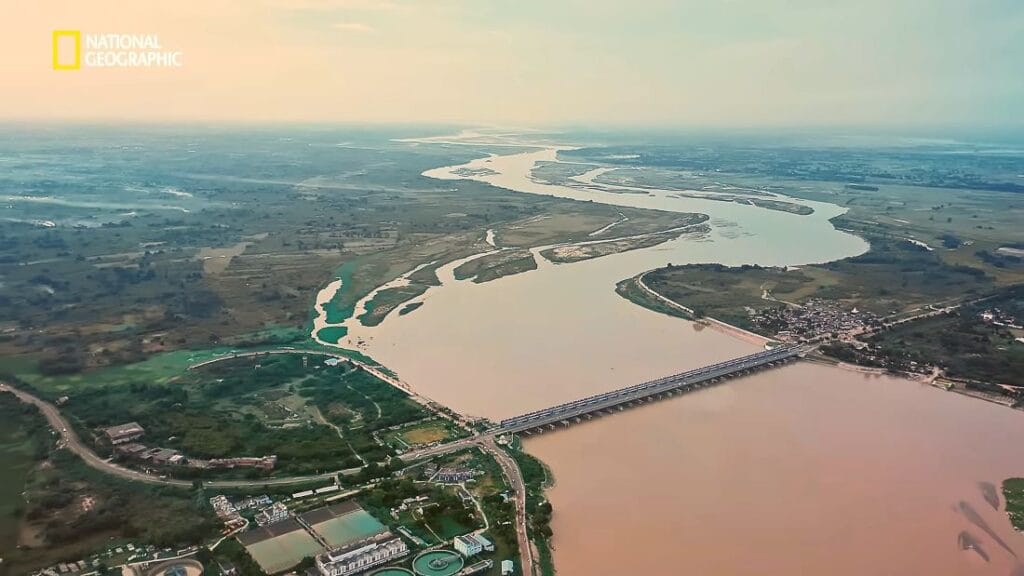
The Ganges is India’s largest river and the second-largest in the world; it is formed by melting ice and various tributary rivers and has a flow rate of about 42,470 cubic meters per second. It begins in the western Himalayas of India.
The river empties into the Bay of Bengal, and its drainage area covers 1,635,000 square kilometers. The Ganges is of great cultural, spiritual, and economic importance to millions of people in India and Bangladesh; it supplies water for drinking, agriculture, and industrial use, and also serves as a major means of transport. Although pollution poses challenges, the Ganges remains an essential lifeline for the region’s biodiversity and economy.
Discharge(Avg): 42,470 m3/s
Find on Map
3. Congo
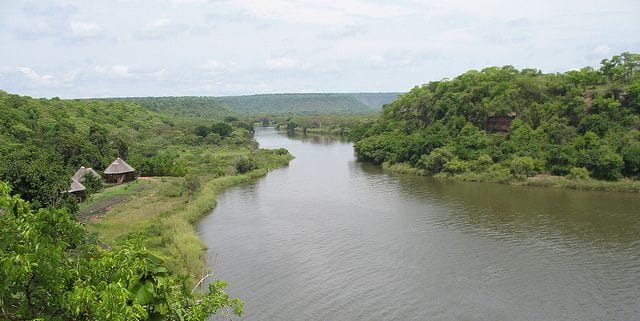
The Congo River is Africa’s longest and deepest river and the world’s ninth-longest and third-highest in discharge; it is essential to Central Africa’s ecosystems because of its average discharge of 41,000 cubic meters per second and its huge drainage basin, which measures 3.82 million square kilometers.
The river begins in the highlands of East Africa and passes through thick rainforests, supplying water to millions of people. It has also supported a variety of wildlife, such as the rare bonobo and the Congo crocodile. The river is important for transportation since it links trade and commerce. It plays a vital role in the regional economy and connectivity.
Discharge(Avg): 41,000 m3/s
Find on Map
4. Orinoco
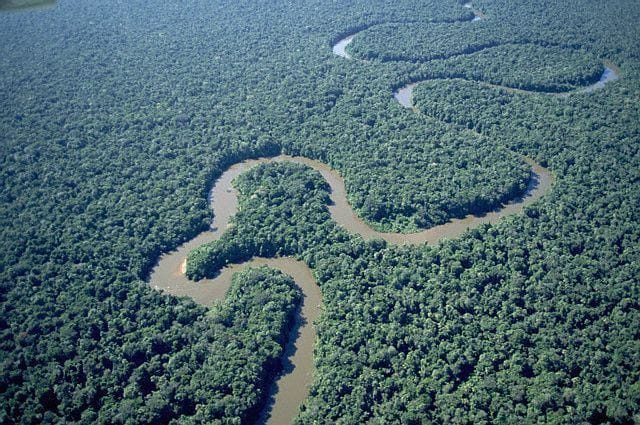
The Orinoco is the fourth-largest river in the world and one of the longest in South America; it drains 880,000 square kilometers and averages 33,000 cubic meters per second before reaching the Atlantic Ocean.
The river is an important transportation route and helps promote trade and mobility in the area. It supports a wide range of wildlife, including the Orinoco crocodile, river dolphins, and piranhas. The river’s rich ecosystems support many kinds of birds, including the scarlet ibis. The region’s large wetlands, forests, and savannas are essential to its biodiversity and environmental health.
Discharge (Avg): 33,000 m3/s
Find on Map
5. Yangtze
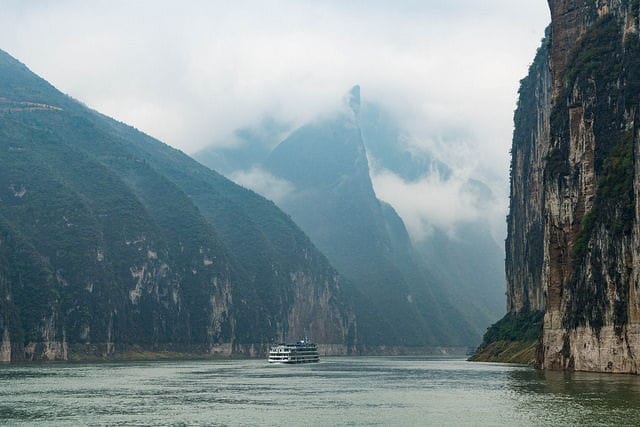
The Yangtze River is Asia’s longest and one of the world’s largest rivers, with a discharge of about 30,166 cubic meters per second and a drainage area of about 1,940,000 square kilometers; it empties into the East China Sea.
The river supports a wide variety of species, including the critically endangered Yangtze River dolphin and the Chinese alligator. It serves as an important transportation route, carrying both goods and people throughout China. Major cities such as Shanghai and Wuhan sit on its banks and benefit from the river’s navigability. It is vital to China’s economy, culture, and ecosystem.
Discharge (Avg): 30,166 m3/s
Find on Map
6. Madeira
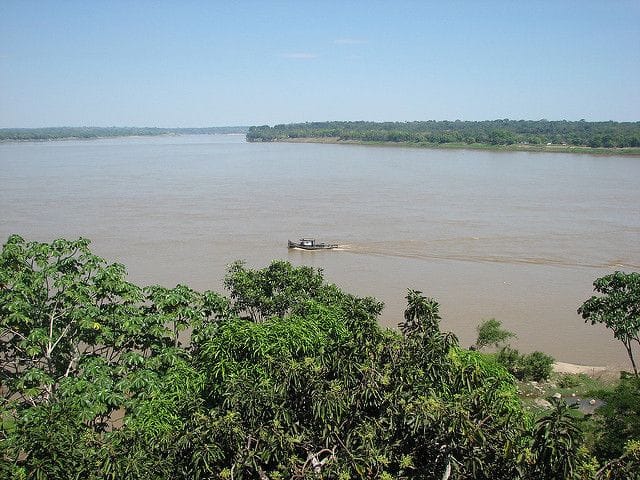
The Madeira River originates in Bolivia and flows into Brazil, where it becomes a significant tributary of the Amazon River. It has an average flow of 24,397 cubic meters per second and a drainage basin covering approximately 850,000 square kilometers.
Along its course, major cities like Porto Velho and Humaitá in Brazil benefit from its resources. The river is home to diverse fish species, including the tambaqui and the electric eel. Historically, the Madeira River has played a crucial role in regional trade and transportation. Its rich biodiversity and strategic importance make it a vital waterway in South America.
Discharge (Avg): 31,200 m3/s
Find on Map
7. Rio Negro
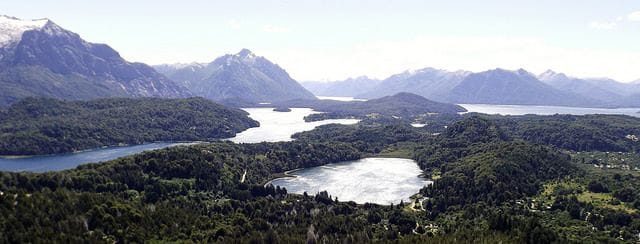
The Rio Negro is a major tributary of the Amazon River, flowing from Colombia into the Amazon basin. It has an average discharge of 28,000 cubic meters per second and a drainage basin area of 691,000 square kilometers. The river ecosystem sustains various species. It is the blackest river in the world
Many unique fish species and multiple bird species are associated with this river. It is an important waterway for transportation and trade; it passes by the city of Manaus, Brazil. The Rio Negro supports local economic activities such as fishing, agriculture, and tourism through its access to the rich biodiversity of the Amazon.
Discharge (Avg): 28,000 m3/s
Find on Map
8. Parana
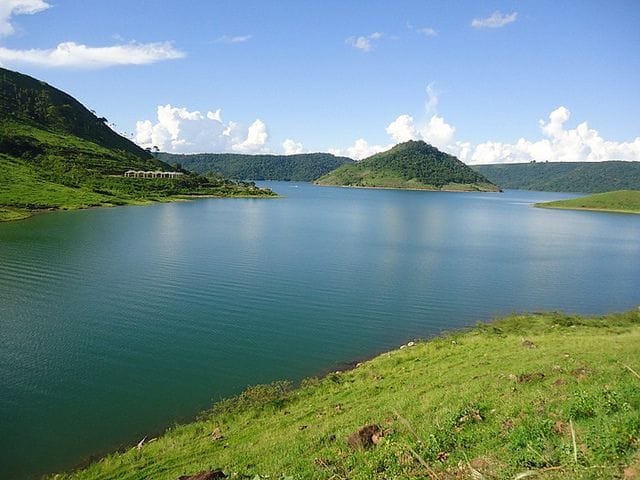
The Parana River stretches 4,880 kilometers and is the second-longest river in South America after the Amazon. It flows through Argentina, Brazil, and Paraguay, and originates in the Brazilian highlands.
The river has a drainage basin of 2,582,600 square kilometers and an average discharge of 25,700 cubic meters per second, emptying into the Atlantic Ocean. ThParanána is rich in biodiversity, home to rare species such as the giant river otter and the endangered freshwater dolphin. Major cities like Buenos Aires and Rosario lie along its banks, making it crucial for trade, transportation, and the regional economy, particularly in agriculture and fishing.
Discharge (Avg): 28,000 m3/s
Find on Map
9. Brahmaputra
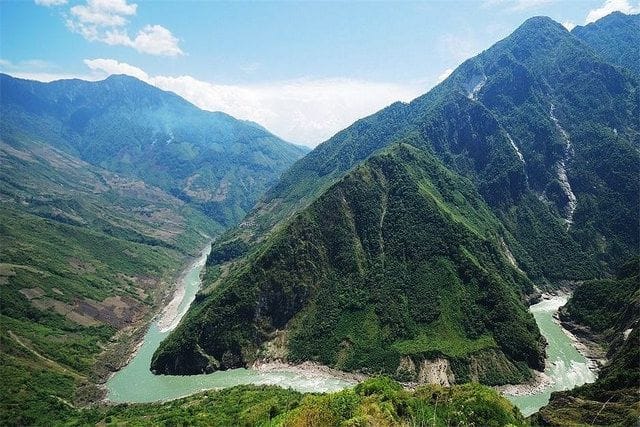
The Brahmaputra River originates in Tibet and flows through China, India, and Bangladesh before finally draining into the Ganges-Brahmaputra delta in Bangladesh. It flows over a distance of 2,900 kilometers. With a drainage basin of 651,000 square kilometers and an average flow of 19,300 cubic meters per second, it later joins the Padma River. The river passes through two major cities, namely Guwahati in India and Dhaka in Bangladesh. The river supports many fish species, including hilsa and the Bengal Loach.
Historically, the Brahmaputra has been an essential waterway for trade and transportation, shaping the economies of the regions it traverses. It is also a tourism destination, offering activities like river cruises and spotting wildlife, particularly in Kaziranga National Park, home to the one-horned rhinoceros. The river’s ecosystem plays a vital role in supporting the livelihoods of millions of people living in its basin, making it one of the most important rivers in South Asia.
Discharge (Avg): 19,300 m3/s
Find on Map
10. Yenisei
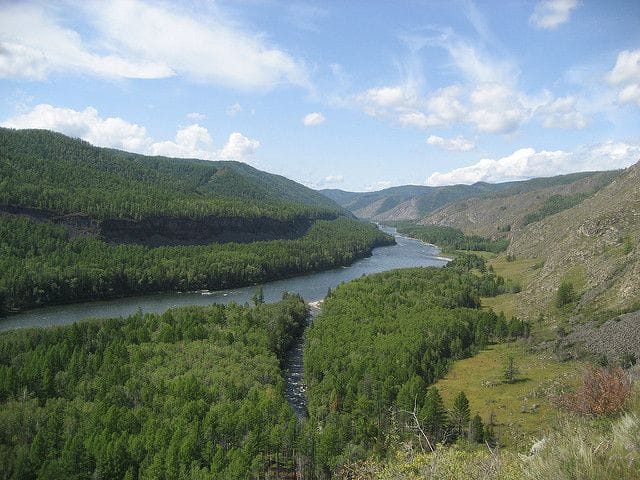
The Yenisei River, originating in Mongolia, flows through Russia and has several tributaries. With a discharge rate of 18,040 cubic meters per second and a drainage basin covering around 2,580,000 square kilometers, it eventually empties into the Kara Sea. Major cities along its course include Krasnoyarsk and Divnogorsk. The river is home to various fish species like sturgeon and Siberian taimen. Historically, the Yenisei has been vital for trade and transportation, linking remote regions.
The river’s picturesque landscapes and rich biodiversity attract tourists, especially to the Stolby Nature Reserve. Flowing through diverse ecosystems, the Yenisei supports numerous species and supports local economies. Its vast drainage basin plays a crucial role in the environmental and economic landscape of Central and Northern Asia.