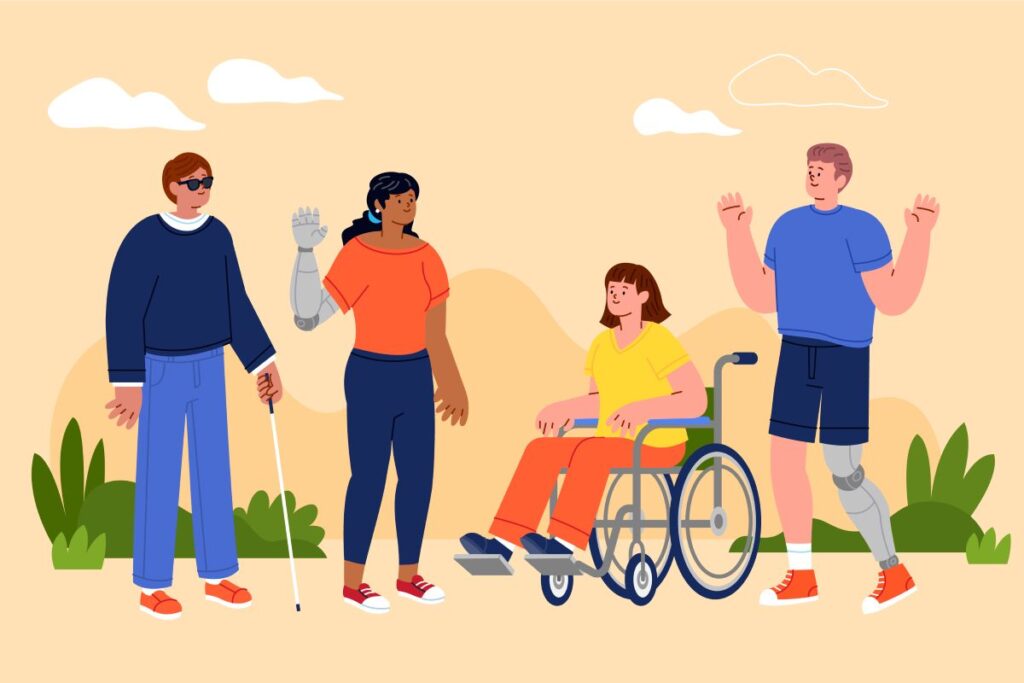
A strong sense of community is something everyone needs to feel connected and valued. For people with disabilities, being part of an active and welcoming community is not just a preference, it is a vital component of wellbeing and independence. True inclusion goes beyond simple physical access; it involves creating an environment where every individual has the chance to participate, contribute, and build meaningful relationships.
When communities are genuinely inclusive, they become places where diversity is seen as a strength. This creates a positive cycle where participation is encouraged, social isolation is reduced, and people with disabilities are empowered to lead fulfilling lives. The focus shifts from what a person cannot do to what they can contribute, enriching the community as a whole.
Beyond Physical Accessibility
While accessible buildings and public spaces are the foundation of an inclusive community, they are only the starting point. True inclusion is about creating opportunities for social connection and meaningful participation in all aspects of local life. This means looking at the social fabric of a community, from local clubs and hobby groups to volunteer organisations and cultural events.
Inclusive communities actively work to remove barriers that prevent people from joining in. This might involve adapting activities, so more people can take part, providing clear information about events, or simply promoting a culture of welcome and acceptance. The goal is to ensure that participation is not just possible, but actively encouraged for everyone, regardless of their ability.
The Positive Effects of Social Connection
Social isolation is a serious issue that can negatively affect a person’s mental and physical health. For people with disabilities, the risk of loneliness can be higher due to physical, environmental, or social barriers. Inclusive communities directly combat this by providing platforms for forming friendships and support networks. When people feel a sense of belonging, it improves emotional wellbeing and reduces feelings of isolation.
Engaging in community activities also helps build confidence and self-esteem. Whether it is joining a sports team, a book club, or a local theatre group, being part of a collective effort allows individuals to share their talents and be recognised for their contributions. These positive social interactions can have a lasting impact, improving many different aspects of a person’s life.
Practical Steps Toward Community Inclusion
Building a more inclusive community is a shared responsibility that involves everyone from local businesses to individual residents. Simple, practical initiatives can make a significant difference in opening up opportunities for people with disabilities. These efforts help create an environment where everyone feels they belong.
Some effective initiatives include:
- Local group activities: Community gardens, walking groups, and craft circles are great ways to bring people together with shared interests.
- Accessible events: Ensuring community events are held in accessible venues and promoted with clear, easy-to-find information helps more people attend.
- Volunteer opportunities: Encouraging local organisations to create inclusive volunteer programmes allows people with disabilities to contribute their skills to the community.
- Awareness and education: Community education programs can help challenge stereotypes and promote a better appreciation of the contributions of people with disabilities.
A Scenario of Community Support
Consider a man who uses a wheelchair and felt disconnected from his local area after moving. He found it difficult to meet people, and his lack of social connection was affecting his mood. A nearby community centre started a new board games evening, specifically advertising that the venue was fully accessible and that newcomers were welcome. He decided to attend and found a welcoming group of people with a shared interest.
Over time, he became a regular attendee, made several close friends, and even helped organise a small tournament. The cost to the community centre was minimal, but the positive effect on his life was immense. This simple, inclusive event provided him with a vital social outlet, reduced his feelings of loneliness, and gave him a sense of purpose. This shows how small community efforts can have a profound impact on individual wellbeing.
Support at Home and in the Community
Creating a society where everyone feels included is a collective effort, but it often starts with individual empowerment. The ability to participate in community life is closely linked to having the right support in place, both inside and outside the home. Personalised support can help individuals gain the confidence and skills needed to engage with their local area, pursue hobbies, and build social networks.
Professional support can be instrumental in helping people with disabilities connect with local services and activities. This assistance can make it easier to navigate community life and explore new opportunities for social engagement. For those looking for support that helps individuals thrive within their own homes and local areas, inclusive home care for people with disabilities provides tailored assistance. This approach helps people maintain their independence while actively participating in the communities they are part of.