Acupuncture is a therapeutic method that has been used for many years and is now part of modern clinical care in many places. It involves placing very thin, sterile needles on specific points of the body to support the nervous system, circulation, and natural recovery processes. Today, acupuncture is used both as a standalone treatment and as part of integrative care in clinics, physical therapy settings, and wellness centers. People looking for science-based information often visit trusted resources like https://www.lakesidechicagochiro.com/acupuncture/ to learn more about how it fits into clinical treatment rather than alternative practice.
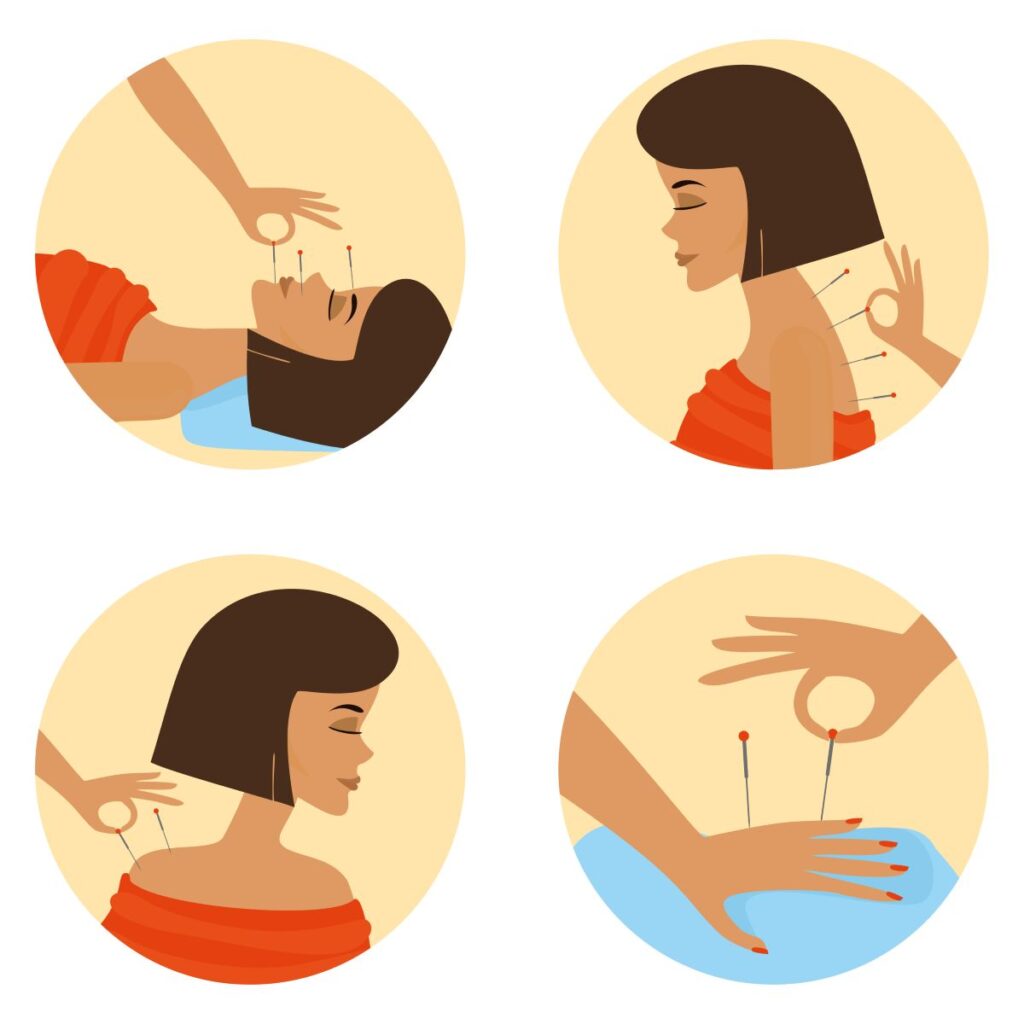
Many people try acupuncture because they want a natural approach to care or feel like their symptoms aren’t fully improving through traditional methods alone. It’s often chosen because it focuses on the body as a whole rather than addressing only one symptom. Clinics such as Lakeside Spine and Wellness Inc. offer acupuncture in a professional, structured setting where patients can receive personalized treatment plans. For some, acupuncture becomes part of ongoing wellness and stress management. For others, it’s a way to address long-term discomfort, improve sleep, or support recovery after injury. The experience is usually calm and steady, giving the body time to respond and adjust.
How Acupuncture Works in a Clinical Setting
In a clinical environment, acupuncture sessions typically follow a structured format. The practitioner begins by reviewing symptoms, medical history, lifestyle patterns, and treatment goals. This helps determine where the needles will be placed. The needles used are extremely thin—much finer than those used for medical injections—which is why many people experience little to no discomfort when they are inserted. Once placed, the needles remain in position for a set period, usually between 15 and 40 minutes depending on the treatment plan.
During this time, patients are encouraged to rest quietly. Some people feel sensations like warmth, heaviness, or subtle muscle release. Others simply feel relaxed or even fall asleep. The overall focus of the session is to help the nervous system shift into a calmer state, which may help reduce muscle tension, ease stress responses, and support blood flow.
After the session, the practitioner may discuss next steps, posture suggestions, stretches, or how often to return based on the patient’s condition. Most treatment plans require multiple sessions, especially when addressing long-term or recurring symptoms. Progress may happen gradually, but many patients report feeling more balanced and comfortable with consistent treatment.
Common Reasons Patients Add It to Their Care Plan
People seek acupuncture for many reasons, and the motivations often fall into a few main categories: pain, stress, and support for ongoing wellness. Many patients come in for neck or back discomfort, muscle tightness, joint stiffness, tension headaches, or lingering pain from injuries. Acupuncture may also help individuals experiencing stress-related symptoms such as sleep difficulty, jaw tension, fatigue, or digestive issues.
Others add acupuncture because they want care that supports their body without relying solely on medication. For people already attending physical therapy, chiropractic care, or rehabilitation, acupuncture can be an additional tool to help reduce muscle tension and support recovery.
Some clients simply feel better with regular sessions and choose it as part of their long-term wellness routine. They notice improved relaxation, better sleep, or clearer focus. Whether someone is managing discomfort, supporting recovery, or working on maintaining balance in daily life, acupuncture can be a helpful part of a broader care plan when practiced in a safe and professional clinical setting.