In modern interiors, railings are viewed as architectural statements. Homeowners and designers use them to express personality and taste, whether through sleek glass panels, rustic wood balusters, or bold metal frames. The material, color, and shape of a railing can make a room feel open and airy or grounded and traditional. Choosing the right combination enhances both beauty and practicality.
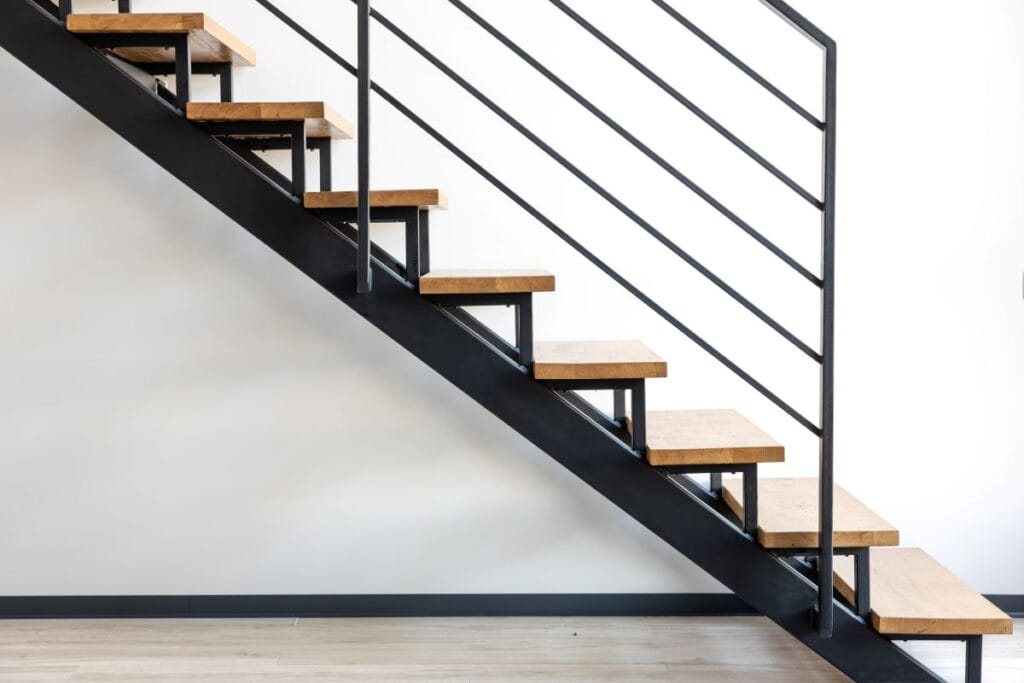
Staircase railings and Luxury Staircase Railings are not just safety features — they are essential elements of interior design that influence how a space looks, feels, and functions. A well-designed railing can transform an ordinary staircase into a focal point, guiding the eye through the room while complementing the overall architecture. The right railing style ties together flooring, lighting, and furniture, helping a space feel cohesive and thoughtfully arranged.
Below, we’ll explore how staircase railings shape visual design, match different architectural styles, and offer tips to create a balanced, unified interior.
The Visual Role of Staircase Railings
A staircase is often one of the first features people notice when entering a home or building. Railings play a major role in defining that first impression. Their lines, textures, and finishes influence how spacious, modern, or warm a room appears.
Open railings such as glass or cable systems create a sense of lightness and expand visual space. They allow natural light to pass through, making rooms feel brighter and more connected. This style works especially well in open floor plans or smaller areas where maintaining visibility is important.
In contrast, solid wood or iron railings add structure and visual weight. They help define traditional interiors and bring warmth or elegance to staircases. Decorative iron balusters with curves or scrolls draw the eye, adding artistry and craftsmanship.
Color and finish also affect atmosphere. Matte black frames make a bold modern statement, while polished metals give a sleek, contemporary look. Natural wood tones soften interiors and pair well with warm lighting and neutral walls.
By controlling line, light, and contrast, railing design can influence how large or intimate a room feels. A thoughtful choice can transform a staircase into a showpiece that elevates the entire space.
Matching Railings with Architectural Styles
Every home has a distinct personality, and staircase railings should reflect and reinforce that style. The best designs complement the architecture rather than compete with it. Selecting the right railing type helps achieve visual balance and consistency throughout the interior.
Modern and Minimalist Homes
In modern spaces, simplicity and clean geometry take center stage. Glass railings and stainless-steel cable systems fit perfectly because they maintain open sightlines and pair well with neutral color palettes. Their transparency allows light to flow freely, supporting the uncluttered look that defines contemporary design.
Traditional or Classic Interiors
For homes with rich woodwork, crown molding, or vintage details, wood or wrought iron railings are ideal. A dark wood handrail with carved balusters echoes the craftsmanship of older architecture. Wrought iron with decorative scrolls adds timeless charm and a sense of permanence.
Industrial Designs
Industrial-style spaces favor exposed metal, black finishes, and bold lines. Iron or steel railings with minimal ornamentation complement brick walls, concrete floors, and visible beams. The look is raw yet stylish, creating contrast between sturdy structure and modern décor.
Transitional Spaces
Many homeowners prefer a blend of old and new. In these interiors, metal frames with wooden handrails or glass panels combined with matte accents create harmony between traditional warmth and modern clarity.
Coastal and Airy Homes
Bright, beach-inspired interiors pair well with white-painted wood or light aluminum railings. These materials reflect sunlight and reinforce the relaxed, breezy mood typical of coastal design.
By aligning the railing material and finish with the home’s character, the staircase becomes a natural extension of the space rather than a separate feature. The result is a cohesive, well-balanced interior that feels complete.