The modern corporate landscape has evolved significantly over the past few years. Professionals no longer view international work trips as strictly business obligations. Instead, they are actively integrating vacation days into their schedules, creating a massive shift in global tourism patterns. Advanced remote work technologies and flexible human resources policies have made it easier than ever for employees to blend their professional responsibilities with personal time.
The financial impact of this work-life integration is immense. According to recent market analysis from IMARC Group, the Asia Pacific business travel market reached a staggering USD 535.2 billion in 2025 and is projected to expand to USD 872.6 billion by 2034. This incredible growth highlights how heavily executives and corporations are investing in regional travel, paving the way for hospitality sectors to cater specifically to this hybrid demographic.
The Regional Shift Toward Work-Life Integration
The Asia-Pacific region is at the forefront of this transformation. A recent 2026 travel outlook report revealed that a massive 76 percent of business travelers in the area actively plan to add leisure time to their corporate itineraries.
This cultural shift is particularly popular among millennials and Generation Z professionals, with nearly 68 percent of these younger workers adding vacation days to at least one work-related trip annually. Forward-thinking companies have begun to encourage these extended trips, recognizing that allowing employees to decompress after intense international negotiations effectively prevents burnout and boosts overall talent retention rates.
Rather than rushing home after a grueling conference, executives are staying longer to explore local cultures, historical landmarks, and culinary scenes. Employees from small and medium-sized enterprises are exceptionally enthusiastic about extending their stays overseas to maximize their international airfare.
Industry experts have closely monitored this behavioral change, frequently noting why Southeast Asia is becoming the ultimate hub for luxury bleisure travel, as the region offers the perfect blend of high-end corporate infrastructure and tropical relaxation. Interestingly, data shows that average trip spending increases by nearly 22 percent when corporate itineraries are extended for vacation purposes, which heavily boosts local economies and stimulates secondary tourism markets.
Top 10 Asian Cities for the Modern Executive
When planning a trip that requires both world-class meeting facilities and vibrant cultural attractions, several destinations stand out. Here are the top ten cities that masterfully balance commerce and recreation.
Osaka, Japan
The Osaka-Kansai region experienced a historic economic surge in early 2026, driven by incredible inbound visitor spending and new corporate investments. Following the monumental success of Expo 2025, the city permanently elevated its global appeal. With Kansai International Airport recently expanding its international departures area by 60 percent, arriving for a major conference has never been easier.
To maximize convenience and comfort, many executives choose to book a 5 stars hotel in Osaka to guarantee immediate access to premium conference spaces, luxury amenities, and direct train lines to the airport before enjoying the local street food in the famous Dotonbori district.
Tokyo, Japan
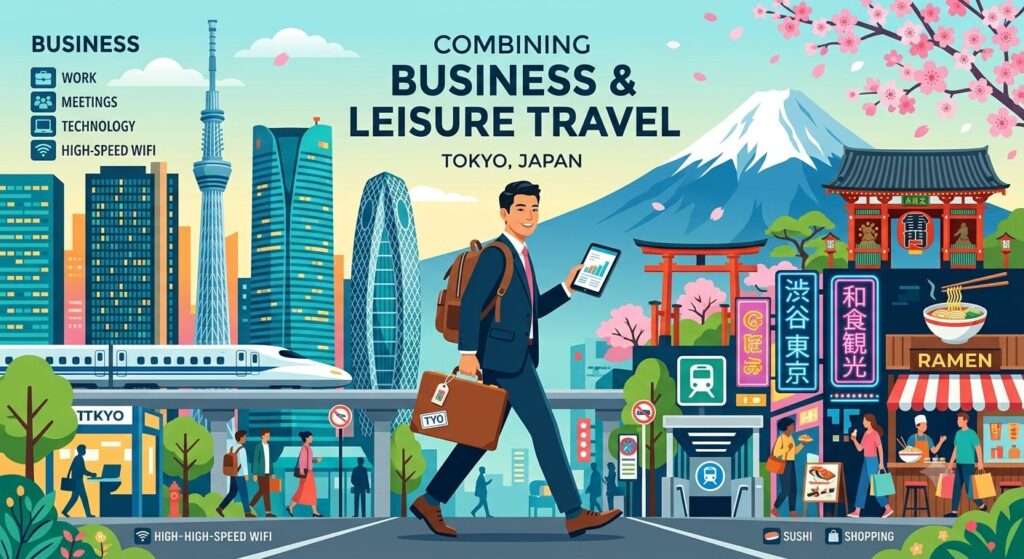
Tokyo remains a premier corporate destination globally, home to the regional headquarters of countless multinational firms and one of the world’s largest stock exchanges. With a highly favorable exchange rate and unmatched transit efficiency, the Shinkansen and metro network connect the entire business district in minutes; it is perfect for extending a work trip.
Its reliable corporate infrastructure, world-class conference facilities, and punctual culture allow professionals to work effectively before enjoying a weekend of culinary exploration (from Michelin-starred sushi to street-side ramen) and shopping in Ginza or Shibuya.
Business benefits: Deep talent pool in finance, tech, and manufacturing; excellent business-class hotel infrastructure; strong rule of law and IP protection; efficient high-speed rail for multi-city trips.
Leisure benefits: Favorable currency exchange stretches per diems further; unmatched public transit means no need to rent a car; world-renowned dining and retail districts are within a short train ride of hotels.
Singapore
Consistently ranking at the top of corporate travel lists, Singapore offers seamless networking opportunities, a pro-business regulatory environment, and one of the best-connected airports in the world (Changi), making stopovers and multi-country itineraries easy. Once business concludes, travelers can easily transition to stunning attractions like Gardens by the Bay or the vibrant restaurant scene at Clarke Quay and Chinatown’s hawker centers.
Business benefits: English as a working language; central time zone for coordinating Asia-Pacific calls; stable political and legal environment; strong fintech and startup ecosystem for networking.
Leisure benefits: A compact city means minimal transit time between meetings and attractions; Changi Airport amenities (lounges, gardens, and entertainment) turn layovers into leisure time; an excellent food scene spans hawker stalls to fine dining.
Hong Kong
This historic financial center is famous for its towering skyscrapers and global banking headquarters, serving as a gateway between mainland China and international markets. However, it also provides beautiful hiking trails (like Dragon’s Back) and bustling night markets just minutes away from major corporate hubs like Central and Admiralty, giving visitors the best of both worlds.
Business benefits: free-port status and low tax regime; proximity to Greater Bay Area manufacturing and mainland China markets; concentration of international banks and law firms for in-person dealmaking. Leisure benefits: Compact geography puts nature (hiking and beaches) within 30 minutes of downtown; iconic skyline and harbor views; and renowned street food and dim sum culture.
Bangkok, Thailand
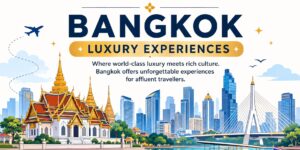
Known as a top-tier hub in the regional market, Bangkok blends strategic corporate facilities, including large-scale convention centers like BITEC and QSNCC with a relaxed atmosphere. Recent tourism campaigns and relaxed international visa policies make it incredibly easy for professionals to stay an extra week to explore beautiful temples such as Wat Arun and the Grand Palace.
Business benefits: Lower cost of business travel (hotels, meals, meeting space) than many regional peers; major logistics and manufacturing hub for Southeast Asia; visa-on-arrival and e-visa options simplify short extensions.
Leisure benefits: Rich temple and cultural heritage sites within the city; famous street food and markets; affordable spa and wellness options to recover after a busy work week.
Chiang Mai, Thailand
Recently celebrated by travel readers as one of the best cities in Asia for creatives and remote professionals, Chiang Mai offers an inspiring, slower-paced environment. It features a unique mix of dynamic coworking spaces, historic temples within its old city walls, and lush mountain scenery that provides a peaceful retreat from the boardroom.
Business benefits: Low cost of living makes it attractive for extended working stays or team retreats; strong digital nomad and coworking infrastructure; growing hub for creative and tech freelance talent.
Leisure benefits: Easy access to nature (mountains, national parks) for weekend escapes; historic old-town temples within walking distance; a slower pace ideal for decompressing after intensive work travel.
Seoul, South Korea
Seoul is a major technological powerhouse that balances cutting-edge business districts such as Gangnam and Yeouido’s financial center with meticulously preserved historic palaces like Gyeongbokgung. It is an ideal spot for tech professionals who also want to experience rich heritage and world-class shopping in Myeongdong and Hongdae.
Business benefits: Global leader in electronics, semiconductors, and telecom; strong infrastructure for tech partnerships and R&D collaboration; excellent high-speed rail (KTX) for connecting to other business centers.
Leisure benefits: Blend of historic palaces and futuristic districts in one city; renowned K-beauty and fashion retail; vibrant nightlife and café culture for evening networking or unwinding.
Taipei, Taiwan
Famous for its robust electronics and semiconductor manufacturing sector, Taipei allows visiting professionals to easily transition from intense boardroom meetings to enjoying world-renowned street food at local night markets like Shilin and Raohe.
Business benefits: Home to major semiconductor and electronics supply chains, making it key for tech and hardware sourcing trips; efficient MRT system connecting business districts to the airport; welcoming visa policies for many nationalities.
Leisure benefits: Legendary night market food culture; easy day trips to hot springs (Beitou) and mountains; friendly, English-accommodating hospitality for international visitors.
Kuala Lumpur, Malaysia
Offering exceptional value for corporate travelers, this city boasts towering financial centers like KLCC alongside lush urban parks such as the KL Forest Eco Park, providing a highly affordable yet luxurious environment for an extended business trip.
Business benefits: Lower overall travel costs (hotels, meeting venues, dining) compared to regional hubs; multilingual, English-fluent workforce; growing Islamic finance and regional trade hub status.
Leisure benefits: Affordable luxury five-star hotels and dining at accessible price points; green spaces within the city center; diverse food culture blending Malay, Chinese, and Indian influences.
Ho Chi Minh City, Vietnam
A rapidly growing economic powerhouse, Ho Chi Minh City rewards extended stays with deep history, beautiful French colonial architecture, and an incredible local coffee culture that will keep any busy executive energized between meetings.
Business benefits: One of Southeast Asia’s fastest-growing economies with expanding manufacturing and tech sectors; increasingly favorable ease-of-doing-business reforms; competitive costs for meetings, hotels, and office space.
Leisure benefits: Rich colonial-era architecture and museums; globally loved coffee culture (egg coffee and robusta blends); affordable, high-quality dining; and a rooftop bar scene for after-hours networking.
Tips for Planning a Successful Bleisure Trip
Transitioning smoothly from a demanding work schedule to a relaxing vacation requires a bit of strategy. Keep these simple guidelines in mind when building your next itinerary:
- Schedule your most demanding meetings mid-week to leave your weekends completely free for uninterrupted sightseeing.
- Pack versatile clothing that transitions easily from a formal boardroom setting to a casual evening dinner or walking tour.
- Select accommodations located near major transit hubs to minimize the time spent commuting between work commitments and tourist destinations.
- Clearly separate your budget by keeping corporate expenses documented while managing personal leisure spending independently.
- Extend your stay by at least two to three days to ensure you actually have time to decompress after your professional duties are successfully completed.
Combining professional obligations with personal exploration is no longer a luxury reserved for a select few. As cities across Asia continue to optimize their infrastructure to support both corporate and leisure tourists, business travel has never been more rewarding. By choosing the right destination and planning ahead, you can easily turn your next international meeting into a memorable global adventure.