Stand on the bank of the Amazon, and you’re looking at a river that pours about 209,000 cubic meters of water into the Atlantic every second. That’s more than the next several largest rivers combined, which is why the Amazon holds the title of the biggest river on Earth.
But “largest” depends on how you measure. Some lists rank rivers by length. This one ranks them by discharge, the volume of water a river carries each second, because that’s what truly shows a river’s power. By that measure, the Amazon leads, followed by the Congo, Orinoco, Madeira, Yangtze, Rio Negro, Yenisei, Brahmaputra, Paraná, and Ganges.
These rivers do far more than move water. They supply drinking water and electricity, carry cargo, feed fertile farmland, and shelter much of the world’s freshwater wildlife. Below, you’ll find where each one flows, how much water it carries, and what you can see, and what’s being built, along its banks.
| ank | River | Avg. Discharge (m³/s) | Length (km) | Outflow |
|---|---|---|---|---|
| 1 | Amazon | 209,000 | 6,400 | Atlantic Ocean |
| 2 | Congo | 41,000 | 4,700 | Atlantic Ocean |
| 3 | Orinoco | 33,000 | 2,100 | Atlantic Ocean |
| 4 | Madeira | 31,200 | 3,250 | Amazon River |
| 5 | Yangtze | 30,000 | 6,300 | East China Sea |
| 6 | Rio Negro | 28,000 | 2,250 | Amazon River |
| 7 | Yenisei | 19,600 | 3,500 | Kara Sea |
| 8 | Brahmaputra | 19,300 | 2,900 | Bay of Bengal |
| 9 | Parana | 17,000 | 4,880 | Río de la Plata |
| 10 | Ganges | 12,000–14,300 | 2,510 | Bay of Bengal |
1. Amazon River (Peru, Colombia, Brazil)
Discharge (avg): about 209,000 m³/s
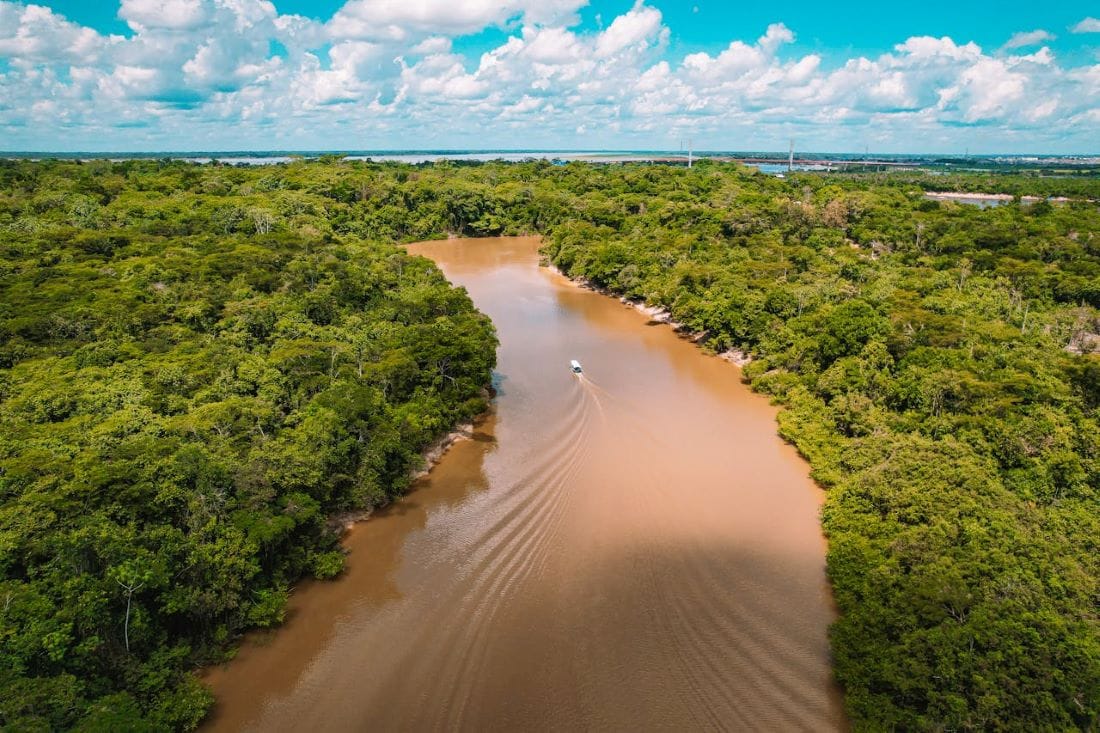
The Amazon is the largest river on Earth by volume. It delivers roughly a fifth of all the freshwater rivers pour into the world’s oceans and carries more water than the next several largest rivers combined. Its basin, spanning roughly 6 to 7 million square kilometers across Brazil, Peru, Colombia, and neighboring countries, is the largest drainage basin in the world, and the river empties into the Atlantic Ocean.
- Length is debated: the Nile is traditionally listed as longer, but some measurements put the Amazon at about 6,400 to nearly 7,000 km.
- The Madeira and the Rio Negro, both major Amazon tributaries, rank among the world’s ten largest rivers.
- Belo Monte, on the Xingu tributary, has about 11,000 MW of capacity and is one of Brazil’s biggest and most debated dams.
- Brazil hosted the COP30 climate summit in Belém, at the mouth of the Amazon, in 2025.
- Manaus is the gateway for river cruises, jungle lodges, and the Teatro Amazonas opera house.
- The river supports one of the richest freshwater fisheries on Earth and drives ecotourism, climate regulation and forest products such as Brazil nuts and açaí.
2. Congo River (DR Congo, Republic of the Congo, Angola)
Discharge (avg): about 41,000 m³/s
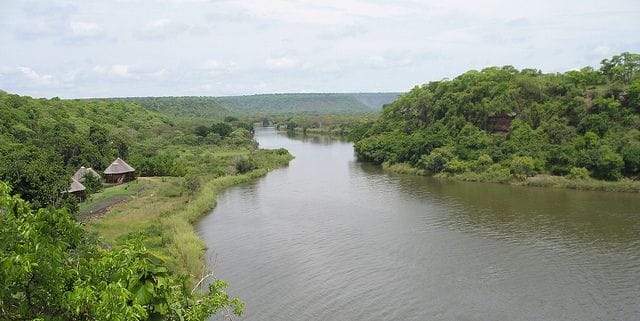
The Congo is Africa’s longest river and the world’s second-largest by discharge. Its basin, roughly 3.7 to 3.8 million square kilometers, drains the heart of Central Africa, including the world’s second-largest rainforest, before the river reaches the Atlantic Ocean.
- It is the deepest known river, with measured depths of around 220 meters in places.
- It crosses the equator twice, which keeps its flow remarkably steady year-round.
- Kinshasa and Brazzaville face each other across the river, the two closest capitals on opposite banks of any river.
- Inga I (351 MW) and Inga II (1,424 MW) already operate at Inga Falls. The planned Inga 3 and Grand Inga schemes could eventually reach tens of thousands of megawatts, but delays have repeatedly stalled them.
- With few roads in the region, the river and its tributaries serve as the region’s main highways for trade and travel.
- Millions of people depend on river fish for food and income.
3. Orinoco River (Venezuela, Colombia)
Discharge (avg): about 33,000 m³/s
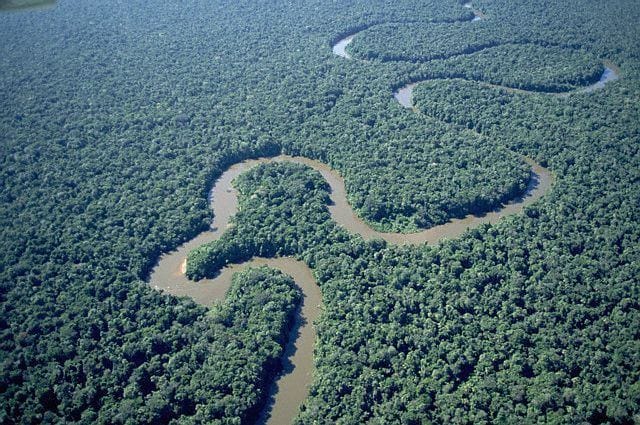
The Orinoco usually ranks third in the world by discharge. It flows about 2,100 km through Venezuela and along the Colombian border before spreading into a delta of more than 20,000 square kilometers on the Atlantic coast.
- The Casiquiare channel links the Orinoco to the Rio Negro, a rare natural connection between two major river basins.
- Angel Falls, the world’s tallest uninterrupted waterfall at 979 meters, drains into the Orinoco system.
- The Orinoco Delta is home to the Warao people and offers ecotours to see river dolphins, macaws, and howler monkeys.
- The Orinoco Mining Arc opened to mining in 2016 and has been linked to deforestation and mercury pollution.
- Iron ore and bauxite move down the river, and the Caroní tributary powers the Guri Dam.
4. Madeira River (Bolivia, Brazil)
Discharge (avg): about 31,200 m³/s
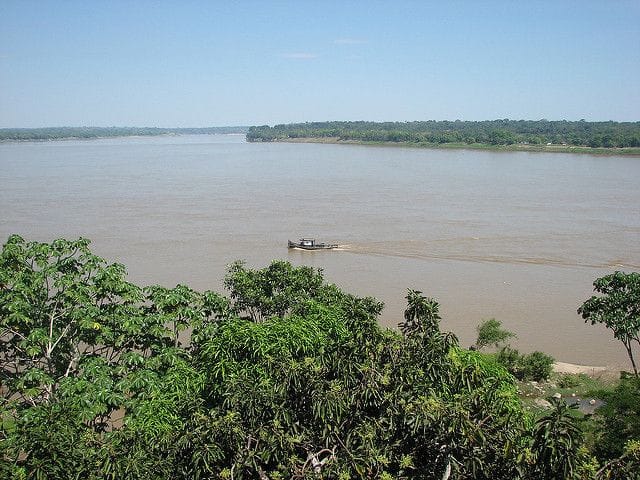
The Madeira is the Amazon’s largest tributary by volume. It rises in the Bolivian lowlands and the Andes, then flows north through Brazil to join the Amazon east of Manaus. The Madeira system is about 3,250 km long, and its basin, roughly 1.4 million square kilometers, covers about a fifth of the Amazon basin.
- Nineteen waterfalls and rapids block ships above Porto Velho, which is why the “Devil’s Railway” (Madeira-Mamoré, 1907 to 1912) was built to bypass them.
- The Santo Antônio (3,568 MW) and Jirau (3,750 MW) dams supply about 7% of Brazil’s hydroelectricity.
- The old railway complex in Porto Velho is protected heritage and a visitor attraction.
- The river is a barge route for grain and cargo to Amazon ports.
5. Yangtze River (China)
Discharge (avg): about 30,000 m³/s
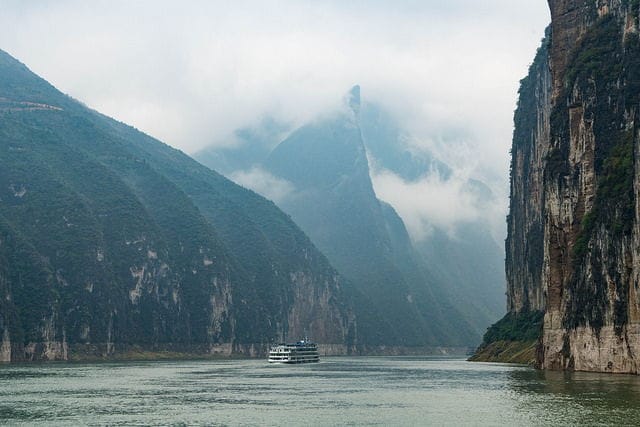
The Yangtze is Asia’s longest river, at roughly 6,300 km, and the third longest in the world. It rises on the Tibetan Plateau and flows from west to east across China, passing Chongqing, Wuhan, Nanjing, and Shanghai before entering the East China Sea. Its basin supports hundreds of millions of people.
- The Three Gorges Dam, at 22,500 MW, is the world’s largest hydropower station.
- A full 10-year fishing ban began in 2021, and fish density has roughly doubled since 2020.
- The critically endangered Yangtze finless porpoise has recovered to about 1,426 animals in the 2025 survey. The baiji, or Yangtze River dolphin, is considered functionally extinct.
- Three Gorges cruises are among China’s most popular river trips.
- The Yangtze is one of the busiest inland waterways on Earth, supplying water to northern China through the South-to-North Water Transfer.
6. Rio Negro (Colombia, Venezuela, Brazil)
Discharge (avg): about 28,000 m³/s
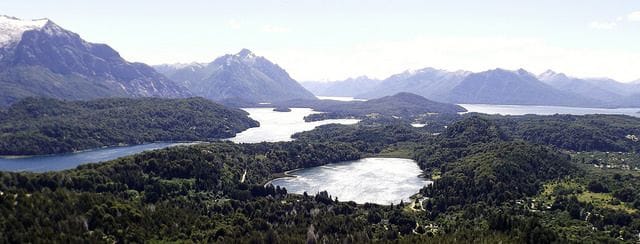
The Rio Negro is the world’s largest blackwater river and the Amazon’s second-largest tributary by volume. It rises in Colombia, runs along the Venezuela-Brazil border, and flows about 2,250 km to meet the Amazon at Manaus. Its dark color comes from dissolved plant material.
- At the Meeting of the Waters near Manaus, the dark Negro and the pale Solimões run side by side for about 6 km without mixing.
- The Anavilhanas archipelago is a maze of islands and flooded forest, with canoeing and lodge stays.
- Jaú National Park is part of a UNESCO World Heritage area.
- The Rio Negro Bridge at Manaus, opened in 2011, spans about 3.6 km.
- Manaus, about 1,000 miles from the ocean, is a major inland port, and the river supports fishing and ecotourism.
7. Yenisei River (Mongolia, Russia)
Discharge (avg): about 19,600 m³/s
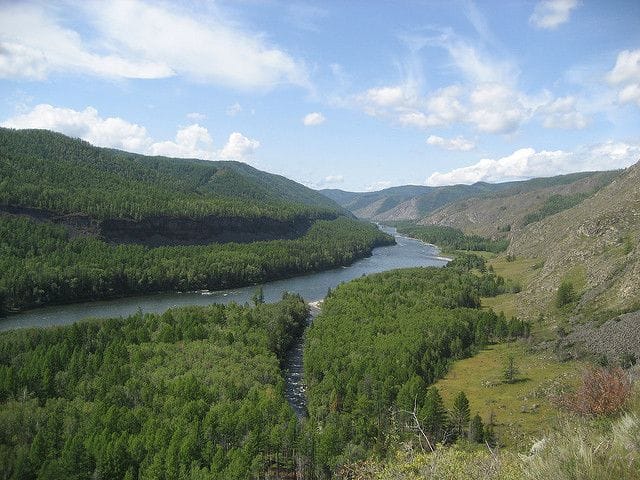
The Yenisei is the largest river flowing into the Arctic Ocean and the biggest river system in Russia. It rises in the Sayan Mountains region and, via the Selenga and Angara system, in northern Mongolia, then flows north across Siberia to the Kara Sea. The basin covers roughly 2.58 million square kilometers.
- Together, hydropower plants on the Yenisei and the Angara have more than 24,000 MW of capacity.
- Sayano-Shushenskaya, at 6,400 MW, is Russia’s largest power plant and was rebuilt after a serious 2009 accident.
- A ship lift at the Krasnoyarsk dam lets vessels pass the dam wall.
- Cruises run between Krasnoyarsk and Dudinka, with visits to the Stolby Nature Reserve and the UNESCO-listed Putorana Plateau.
- Dudinka is a key Arctic port for exports from the Norilsk mining region.
8. Brahmaputra River (China, India, Bangladesh)
Discharge (avg): about 19,300 m³/s
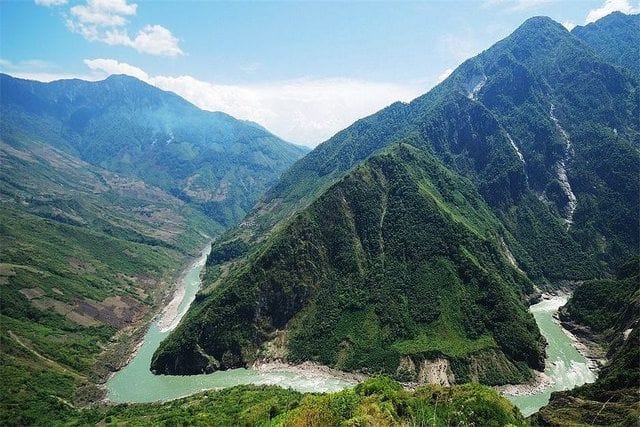
The Brahmaputra rises in Tibet as the Yarlung Tsangpo, makes a dramatic turn at the Great Bend, enters India as the Siang, flows through Assam, and crosses Bangladesh to join the Ganges system. It is about 2,900 km long and carries huge amounts of sediment.
- Majuli, a river island in Assam, is one of the world’s largest inhabited river islands and is slowly eroding.
- Kaziranga National Park, on the floodplain, shelters the greater one-horned rhinoceros.
- Construction of China’s Medog (Motuo) hydropower project at the Great Bend began in July 2025, raising concerns downstream in India and Bangladesh.
- India’s proposed Upper Siang project (11,000 MW) faces local opposition over displacement.
- The river is a designated inland waterway used for cargo and cruises, and its yearly flood silt makes the plains very fertile.
9. Paraná River (Brazil, Paraguay, Argentina)
Discharge (avg): about 17,000 m³/s
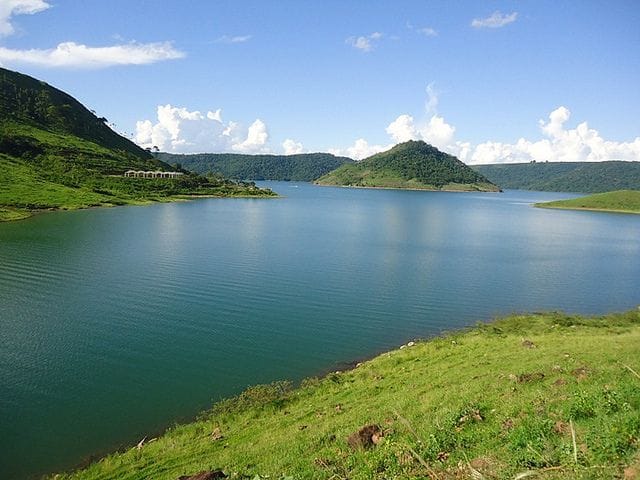
The Paraná is about 4,880 km long, making it the second-longest river in South America after the Amazon. It starts in the Brazilian highlands, flows through Brazil, Paraguay, and Argentina, and ends in the Río de la Plata estuary. Its basin covers around 2.58 million square kilometers.
- Itaipú Dam, shared by Brazil and Paraguay, has a capacity of 14,000 MW and is one of the largest hydropower plants on Earth.
- Iguazú Falls lies on the Iguazú River, a tributary of the Paraná.
- Argentina awarded a 25-year dredging concession to Jan De Nul and Servimagnus in June 2026, with works starting in August 2026 and channel deepening expected by 2031. The waterway handles about 80% of Argentina’s exports.
- Conservation groups warn that deeper channels could alter the river’s natural dynamics.
- Soybeans, corn, and wheat travel down the river to ocean ports, and golden dorado draws sport anglers.
10. Ganges River (India, Bangladesh)
Discharge (avg): about 12,000 to 14,300 m³/s
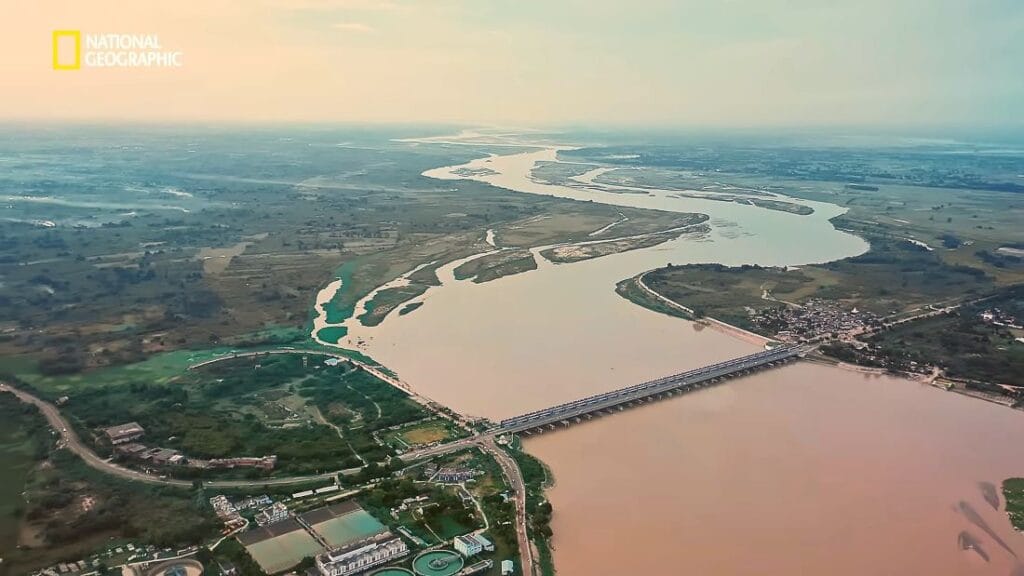
The Ganges is India’s most sacred and culturally important river. It forms in the Himalayas, where the Bhagirathi and Alaknanda meet at Devprayag; it flows about 2,510 km across northern India and into Bangladesh; and it drains into the Bay of Bengal through the world’s largest delta. The combined Ganges, Brahmaputra, and Meghna system carries about 38,000 m³/s.
- The Ganges supports hundreds of millions of people through drinking water, farming, industry, and pilgrimage.
- The endangered Ganges River dolphin lives in its waters, and the Namami Ganges program aims to reduce pollution.
- The 594-km Ganga Expressway from Meerut to Prayagraj, built at around ₹36,230 crore, was inaugurated in April 2026.
- The 46-km Ganga Elevated Corridor in Varanasi, approved in July 2026, includes a 910-meter cable-stayed bridge and a long pedestrian bridge toward Kashi Vishwanath Temple.
- Varanasi, Prayagraj, Haridwar, and Rishikesh draw huge numbers of pilgrims and tourists, and the Gangetic Plain is one of the world’s most productive farming regions.
FAQs
What is the world’s largest river?
The Amazon, by far. Its average discharge is about 209,000 m³/s, and it also has the largest drainage basin on Earth.
What is the second largest river in the world?
The Congo, with an average discharge of about 41,000 m³/s. It is also the deepest known river, with depths of around 220 meters.
Is the largest river the same as the longest river?
No. The largest river is measured by the volume of water it carries (discharge), while the longest is measured by distance from source to mouth. The Nile is traditionally listed as the longest, though some measurements put the Amazon ahead.
Which is the largest river in Asia?
The Yangtze is Asia’s longest river, at roughly 6,300 km, and carries about 30,000 m³/s. Among the Asian rivers in this list, only the Brahmaputra and the Ganges come close in importance.
Which is the largest river in India?
The Ganges is India’s most important river, while the Brahmaputra carries more water. The Ganges alone carries about 12,000 to 14,300 m³/s, and the combined Ganges–Brahmaputra–Meghna system carries around 38,000 m³/s.
Which large rivers are tributaries of the Amazon?
The Madeira and the Rio Negro. Both rank among the ten largest rivers in the world on their own, but their flow is already part of the Amazon’s total.
Why do different websites list different discharge figures?
Discharge changes by season and year, and it depends on where it is measured. A figure taken at a river’s mouth will differ from one taken upstream. The numbers here are rounded, with ranges where sources disagree.
Which river is the deepest in the world?
The Congo, at around 220 meters (about 720 feet) in places.
Which river has the largest delta?
The Ganges, which shares the world’s largest delta with the Brahmaputra and Meghna in India and Bangladesh.