

Participating in contact sports is a fantastic way to stay fit, build teamwork skills, and enjoy a competitive thrill. Whether you are stepping onto the footy oval, hitting the basketball court, or entering the boxing ring, the physical nature of these activities brings an inherent risk of injury. While scrapes and bruises are simply part of the game, severe injuries do not have to be. Equipping yourself with the right protective items is the single best way to stay in the game and out of the emergency room. Here is a list of eight essential pieces of safety gear every contact sport athlete needs.
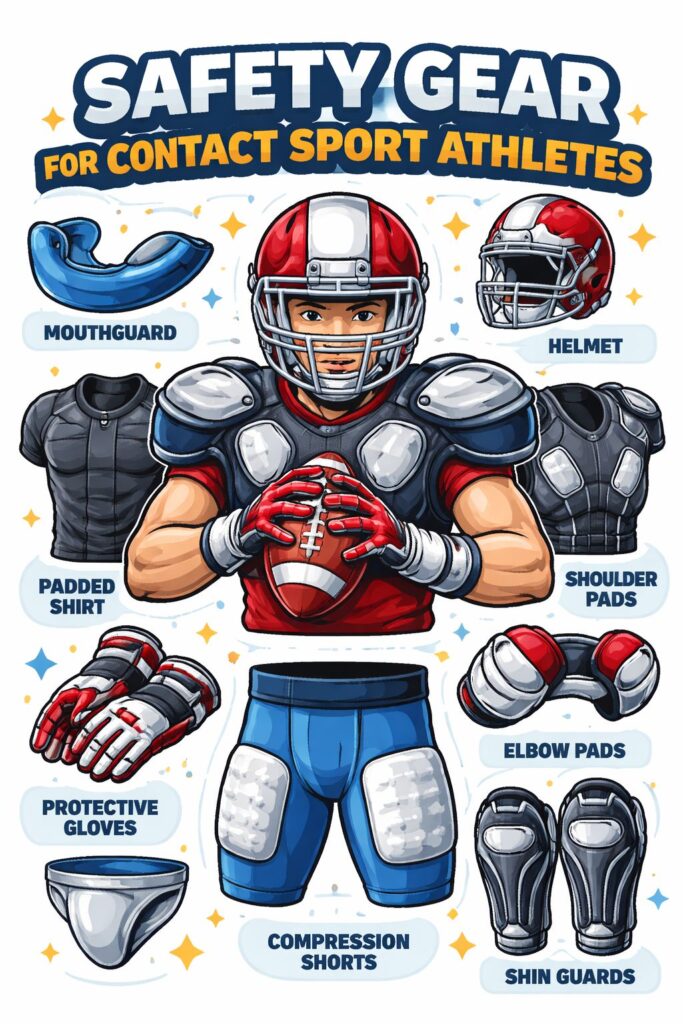
Essential Head and Facial Protection
- Helmets and Headgear: The brain is your most vital organ. For sports like rugby league, amateur boxing, or gridiron, a high-quality helmet or padded headgear is non-negotiable. This equipment is designed to absorb shock and reduce the risk of concussions during heavy impacts. Ensuring a proper fit is vital, as a loose helmet can obstruct vision or fail to protect upon impact.
- Mouthguards: Dental injuries are common but easily preventable. Many athletes mistakenly believe that only heavy-contact sports like rugby require mouth protection. However, according to the Australian Dental Association, sports injuries to the mouth frequently occur in games like basketball and soccer. These incidents often result in complex injuries that require a lifetime of dental treatment. To ensure the highest level of protection, breathing efficiency, and comfort, investing in a custom-fitted sports mouthguard is superior to relying on standard boil-and-bite alternatives from the chemist. A proper fit ensures you can communicate clearly with teammates on the field without the device slipping out of place.
- Protective Eyewear: Fast-paced sports like squash often result in accidental pokes to the eye. Impact-resistant polycarbonate goggles provide a necessary shield, ensuring your vision remains protected from fast-moving objects. Many modern options feature anti-fog technology, so your safety gear will not compromise athletic performance. For athletes who wear prescription glasses, specialised sports goggles offer the perfect blend of vision correction and impact resistance.
Core and Upper Body Armour
- Shoulder Pads: High-impact collisions are a staple in codes like rugby union and gridiron. Lightweight but durable shoulder pads distribute the force of a tackle across a broader area, protecting the collarbone from fractures. Modern padding is breathable, meaning athletes do not sacrifice comfort for safety. Selecting the correct size is crucial. Pads that are too large will restrict head movement, while pads that are too small leave shoulders vulnerable.
- Chest and Rib Protectors: A swift blow to the torso can easily crack a rib. Athletes in martial arts, motocross, and certain football codes rely on padded chest guards to absorb sudden strikes. These protectors are contoured to allow a full range of motion while shielding vital organs.
- Groin Guards: Also known as athletic cups, groin guards are essential for any sport where lower body strikes are a possibility. From cricket to mixed martial arts, a sturdy groin guard prevents potentially debilitating injuries. Many are integrated into compression shorts for secure positioning.
Lower Body and Joint Support
- Knee and Elbow Pads: Joints take a massive beating during athletic competitions. Padded sleeves for your knees and elbows prevent severe friction burns, cartilage damage, and patella fractures. They also provide mild compression, which aids in continuous blood flow. High-quality pads feature articulated designs that bend naturally, preventing the padding from sliding down.
- Supportive Footwear: While often overlooked as traditional safety gear, the right boots or shoes form the absolute foundation of injury prevention. Footwear with appropriate ankle support and sport-specific studs drastically reduces the likelihood of rolled ankles and dangerous slips. Replacing athletic footwear regularly is important to maintain shock-absorbing qualities. Over time, the midsole compression loses its integrity, which can lead to stress fractures and shin splints during long training sessions.
The Unseen Shield: Knowledge and Rules
While strapping on physical padding is a tangible way to protect your body, understanding the structure of your chosen activity is equally critical. For instance, if you are stepping into the ring, taking the time to learn boxing terms for the beginner and familiarising yourself with scoring systems is just as important as wearing your gloves. Recognising the rules designed to keep fighters safe helps you avoid illegal blows and respect the referee’s authority.
This educational concept applies to absolutely every sport. A thorough knowledge of the rulebook ensures that you and your opponents are competing in a controlled, predictable environment. When everyone understands the boundaries of the game, it minimises the risk of catastrophic accidents.
Athletic excellence should never come at the expense of your long-term health. By investing in these eight crucial pieces of safety gear, you are actively protecting your future both on and off the field. Remember to regularly inspect your equipment for wear and tear, and always play by the rules. Stay safe, train hard, and enjoy the game.


