A marine conservation trip to Belize is an eye-opening, action-packed adventure where travelers get to protect the ocean while discovering the magic of the Caribbean. These trips promise hands-on conservation, world-class diving, and a strong sense of purpose, all set in the heart of the Belize Barrier Reef.
Belize is a small Central American country bordered by Mexico. Belize is known for its diverse cultures and rich natural beauty, including the world’s second-largest barrier reef. It is famous for its coastal wildlife, Mayan ruins, and ecotourism.
Daily Life on a Conservation Island
Most trips are based on tiny private islands surrounded by clear blue water, making every day feel like paradise with a purpose. Volunteers wake up early to the sound of the waves and start with a simple breakfast before diving into the Belize marine conservation program.
- Typical schedule: Expect two or three dives per day, with Mondays and Fridays often featuring lighter schedules and Tuesday through Thursday packing in the most underwater action. Morning and afternoon slots are dedicated to conservation tasks, scientific surveys, and reef monitoring.
- Meals and downtime: Meals are shared with a group of passionate ocean lovers. The evenings offer time to relax with new friends, review marine life spotted during the day, or unwind in a hammock.
Because life on these islands revolves around the tides and weather, flexibility and a spirit of adventure are essential!
Hands-On Experience with a Belize Marine Conservation Program
Joining a Belize marine conservation program means diving right into the heart of the action. Volunteers learn about invasive species, help monitor coral health, and directly participate in protecting and restoring the reef.
- Lionfish control: Much of the work focuses on reducing the population of invasive lionfish, a species that threatens coral reef health. Volunteers might spear or dissect lionfish to help manage their numbers and gather data for scientific research.
- Scientific surveys: You’ll identify and record species of fish, coral, and invertebrates to track the health and diversity of the reef.
- Training provided: Many programs offer dive training, so even beginners can become certified divers while contributing to vital marine science.
Through this combination of training and fieldwork, everyone leaves as a more skilled and confident ocean steward.
What Marine Conservation Programs Offer
There’s more to marine conservation programs in Belize than just diving and data collection. These trips focus on broad environmental education and impactful volunteering.
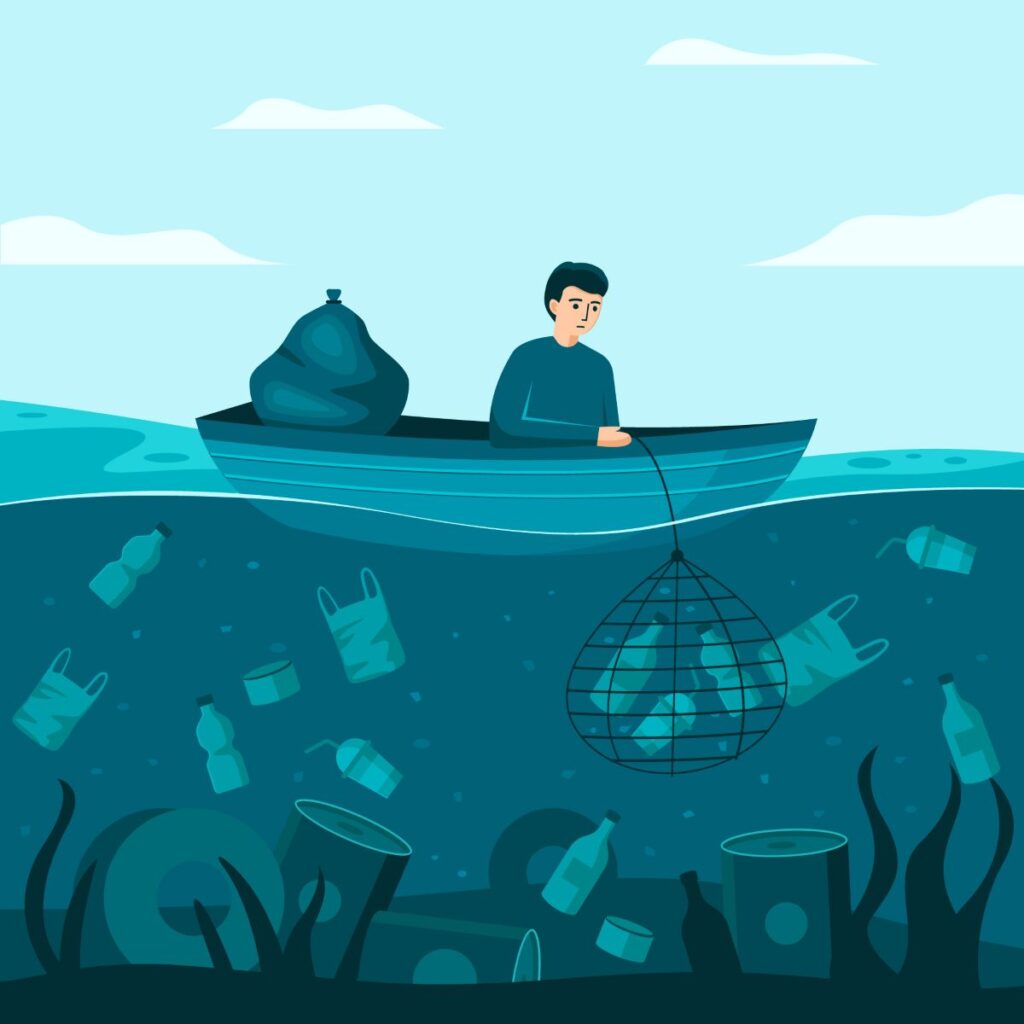
- Beach cleanups: Regular sessions are organized to collect and sort plastic and other waste, keeping the islands and reefs healthy.
- Coral restoration: Depending on the season and project, participants help with coral nursery work, outplanting, and monitoring coral growth.
- Local education: Some trips involve teaming up with local schools or communities to teach about reef protection and sustainability.
Every task gives volunteers a direct role in preserving an irreplaceable ecosystem for future generations.
Accommodation and Weekend Exploration
Lodging is typically in dorm-style eco-lodges or simple rooms on the island, with basic amenities and all meals included.
- On-island stays: Monday through Friday, you’ll live and work on the private island.
- Weekends on the mainland: Volunteers return to Placencia or another coastal town for the weekend, where they can relax on the beach, explore Maya ruins, or take in more of Belize’s diverse attractions.
The blend of a focused weekly routine on the island and the chance for cultural adventures on weekends creates a memorable balance.
The Impact
Expect to leave Belize with more than just great memories. Volunteers gain skills, friendships, and a new appreciation for marine ecosystems.
- Improved diving and science abilities
- Deeper knowledge of reef ecology and conservation threats
- Lasting global connections with fellow ocean enthusiasts
- The satisfaction of having made a real difference to the health of Belize’s reefs.
Key Takeaways
- Daily dives focused on invasive lionfish control and coral reef monitoring.
- Hands-on activities including scientific surveys, beach cleanups, and coral restoration.
- Simple island accommodation with weekends spent exploring mainland Belize.
- Gain diving skills and conservation knowledge, and make a real impact on reef health.