
Most of us spend our lives working hard to build a financial legacy. We imagine passing down a family home, a healthy savings pot, or investments that give our children a solid head start. However, there is a blunt reality in the UK legal system: debt is always paid first. Before your loved ones see a single penny from your estate, your creditors have a legal right to be satisfied in full.
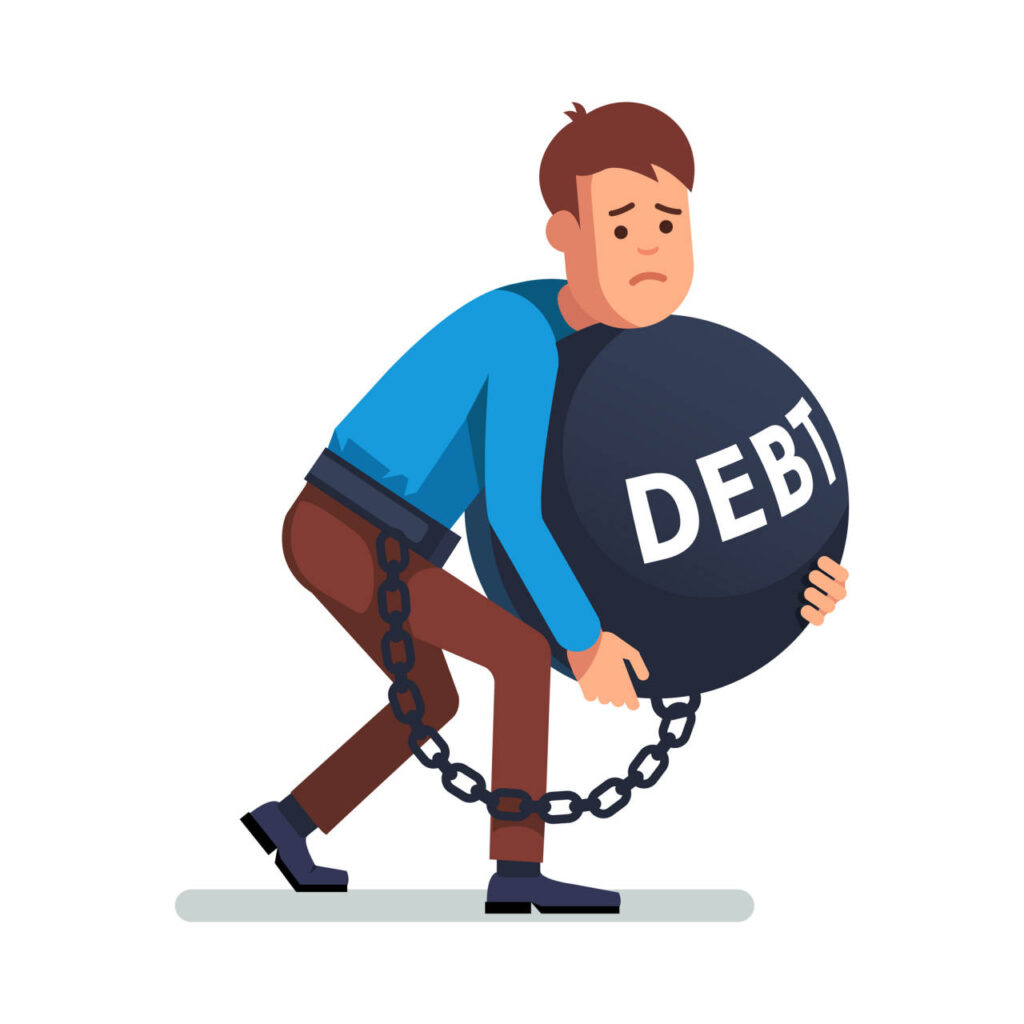
Without a reliable life insurance policy, your outstanding balances do not simply vanish. Instead, they become a priority claim against everything you own. This means the financial future you planned for your family is effectively raided to settle old bank loans or credit cards. Understanding this “debt first” rule is vital if you want your inheritance to actually reach your family rather than being swallowed by lenders.
The Quiet Erosion of Your Legacy
When you pass away, your property, cash, and belongings form your estate. The person in charge of your will must tally up every debt you owed. If there isn’t enough liquid cash to cover these costs, the law frequently requires the sale of your physical assets. This is where the loss of inheritance becomes a painful reality.
Rather than your children inheriting the family house, those items might be sold at auction to satisfy a bank. This isn’t about scary debt collectors; it is about the legal system dismantling your wealth to pay off creditors. Having a private life insurance plan offers a quick cash payout that can clear these hurdles. This allows your physical assets to remain exactly where you intended—with your family.
Why Your Assets Face This Risk
Many people believe that their personal debts are theirs alone and will just disappear when they do. While family members are usually not personally responsible for your individual loans, your estate is held liable. If the total amount you owe is more than your savings, your executor has to look at your possessions to find the money.
This situation often leads to several difficult outcomes for those left behind:
- Forced Property Sales: Even if a partner is still living in the home, a large debt can force a sale to release equity.
- Depleted Savings: Cash meant for university fees or a wedding is often seized first to pay off high-interest loans.
- Shrinking Investments: Selling stocks early to pay debt means your family loses out on years of future growth.
- Legal Fees: The cost of managing a debt-heavy estate further reduces the final amount that goes to your heirs.
Defending the Future of Your Family
The best way to stop debt from eating your inheritance is to build a financial wall around your assets. By taking out life insurance, you provide a dedicated sum of money paid out upon your death. This money can be used to settle your liabilities immediately, leaving your house and savings untouched and ready for your beneficiaries.
This move shifts the focus from managing past debts to securing a clear future for your children. It ensures that the “debt first” rule does not result in a “family last” outcome. By planning ahead, you make sure that your hard work benefits the people you love rather than just clearing a balance with a bank.