Managing a bustling commercial warehouse involves a delicate balance of speed, accuracy, and maximum output. However, achieving high productivity should never come at the cost of workplace safety. In fact, safety and operational efficiency are deeply connected. When you actively reduce hazards, you minimise expensive downtime and protect your most valuable asset, which is your workforce.
The reality of the logistics sector makes this a highly pressing issue. According to the National Safety Council, slips, trips, and falls remain a leading cause of severe workplace injuries, resulting in hundreds of thousands of days away from work annually. Protecting staff from these daily risks requires a comprehensive and strategic approach. Here are seven essential strategies to improve both safety and efficiency in your warehouse.
Strategy 1: Implement Proactive Hazard Management
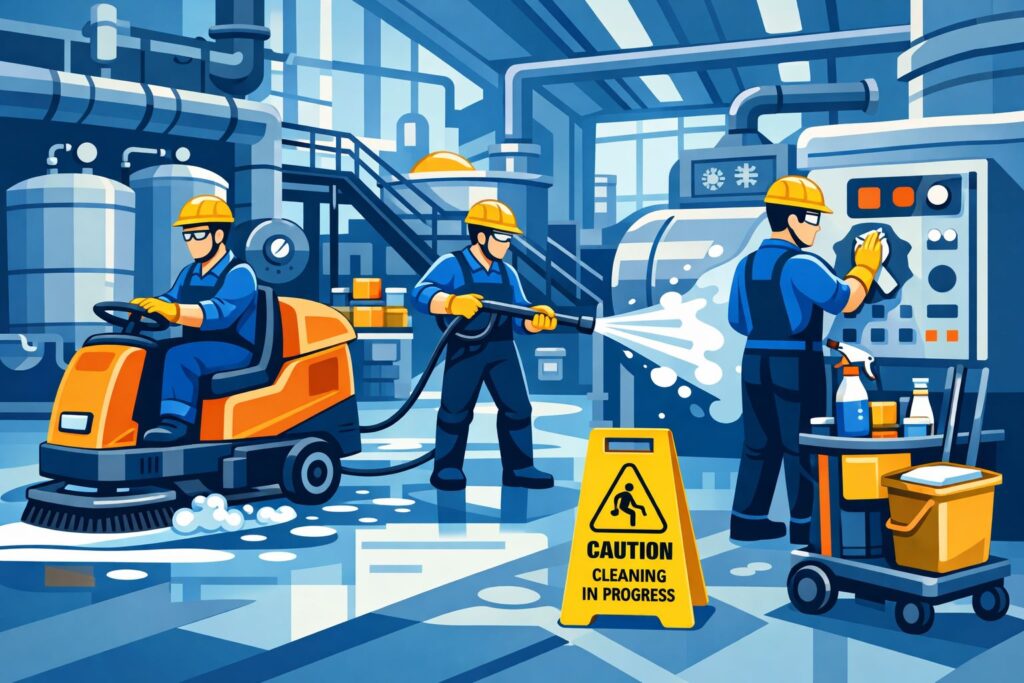
A clean workspace is the absolute foundation of a safe warehouse environment. Debris, liquid spills, and fine dust buildup are significant contributors to the slip and fall statistics mentioned above. To keep daily operations running smoothly, business owners must move away from reactive cleaning and adopt strict, routine maintenance schedules. Investing in heavy-duty tools like industrial cleaning equipment allows maintenance teams to clear large floor spaces rapidly and effectively without disrupting the flow of goods. Sweepers and scrubbers ensure that busy aisles remain free from unexpected obstacles and slippery residues. This allows forklifts, pallet jacks, and pedestrians to navigate the facility safely and efficiently throughout their shifts.
Strategy 2: Optimise Floor Layouts for Better Flow
The physical design of your facility dictates exactly how easily workers can complete their assigned tasks. Poorly planned layouts inevitably lead to workflow bottlenecks, staff frustration, and a significantly increased risk of machinery collisions. To improve your floor plan and streamline daily tasks, consider implementing the following layout adjustments:
- Separate pedestrian walkways from heavy forklift traffic zones using clear, high-visibility floor markings or sturdy physical barriers.
- Store fast-moving consumer products near packing and shipping areas to drastically reduce travel time.
- Ensure all storage aisles are wide enough to comfortably accommodate the safe turning radius of your largest machinery.
- Designate specific, clearly marked storage areas for empty pallets and packaging materials to prevent them from encroaching on active walkways.
Strategy 3: Prioritise Employee Wellbeing and Ergonomics
Operational efficiency is directly tied to the physical and mental state of your team members. Workers who feel properly supported and safe are far more likely to perform at their highest capacity. By focusing on ergonomic workplace practices, such as providing anti-fatigue mats at packing stations and teaching proper lifting techniques, you can drastically reduce chronic body stressing injuries. Furthermore, a broader focus on holistic health goes a remarkably long way. As seen across many successful modern businesses, initiatives supporting physical wellness and safety can significantly boost workplace morale, leading to lower staff absenteeism and a highly energised workforce.
Strategy 4: Upgrade Lighting and Visibility
Many commercial warehouses struggle with dim or inconsistent lighting, especially in deep storage aisles, corners, or busy loading docks. Poor visibility makes it incredibly difficult for operators to read product labels accurately, leading to frustrating picking errors and delayed shipments. More importantly, poor lighting creates dangerous blind spots where severe accidents are much more likely to happen. Upgrading the facility to bright, energy-efficient LED lighting improves visual clarity across the entire floor. Additionally, installing convex mirrors at blind corners and busy intersections gives forklift drivers the advanced visibility they need to navigate safely around heavily trafficked areas.
Strategy 5: Enforce Regular Equipment Inspections
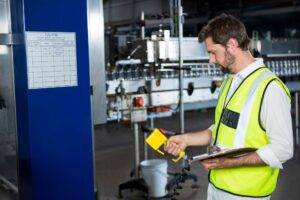
Machinery breakdowns cause unexpected operational delays and pose severe safety threats to nearby staff. A forklift with faulty brakes or a conveyor belt with a damaged motor can result in disastrous workplace accidents. Facility managers must implement mandatory pre-shift checks for all mechanical equipment. Operators should be required to fill out digital or physical safety logbooks, noting any early signs of wear and tear. Scheduling routine preventative maintenance ensures that minor mechanical faults are identified and repaired well before they develop into expensive, highly dangerous equipment failures.
Strategy 6: Invest in Ongoing Staff Training
Safety protocols are only effective if your team actually understands and consistently follows them. Initial onboarding for new hires is simply not enough to maintain a strong, long-lasting safety culture. Warehouses must provide regular refresher training sessions on critical topics such as safe manual handling, chemical spill responses, and emergency evacuation procedures. Furthermore, management should encourage an open reporting culture where staff feel entirely comfortable pointing out potential hazards without fear of reprimand. When employees are actively involved in daily risk assessment, they become your absolute best line of defence against preventable workplace accidents.
Strategy 7: Utilise Smart Inventory Management
Technology plays a massive role in modernising and securing warehouse operations. Implementing a robust, cloud-based warehouse management system helps automate stock tracking and reduces the constant need for manual stock takes. Digital tools like barcode scanners, RFID tags, and automated picking lists guide workers along the most efficient routes possible. This strategic use of modern technology not only speeds up the entire order fulfilment process but also prevents unnecessary physical strain. By minimising the distance workers need to walk and reducing the amount of manual heavy lifting required, you simultaneously boost daily output and protect staff from physical fatigue.
Conclusion
Improving warehouse safety and efficiency is an ongoing operational process that requires total commitment from both upper management and floor staff alike. By acknowledging the statistical risks of the logistics industry and taking actionable, well-planned steps to mitigate them, you can build a highly resilient operation. From optimising your physical floor layout to maintaining spotless floors with the right machinery, every single small improvement contributes to a vastly better working environment. When you consistently prioritise a hazard-free, well-organised facility, the natural result is a happier, safer, and much more productive business that is fully equipped to handle future growth.